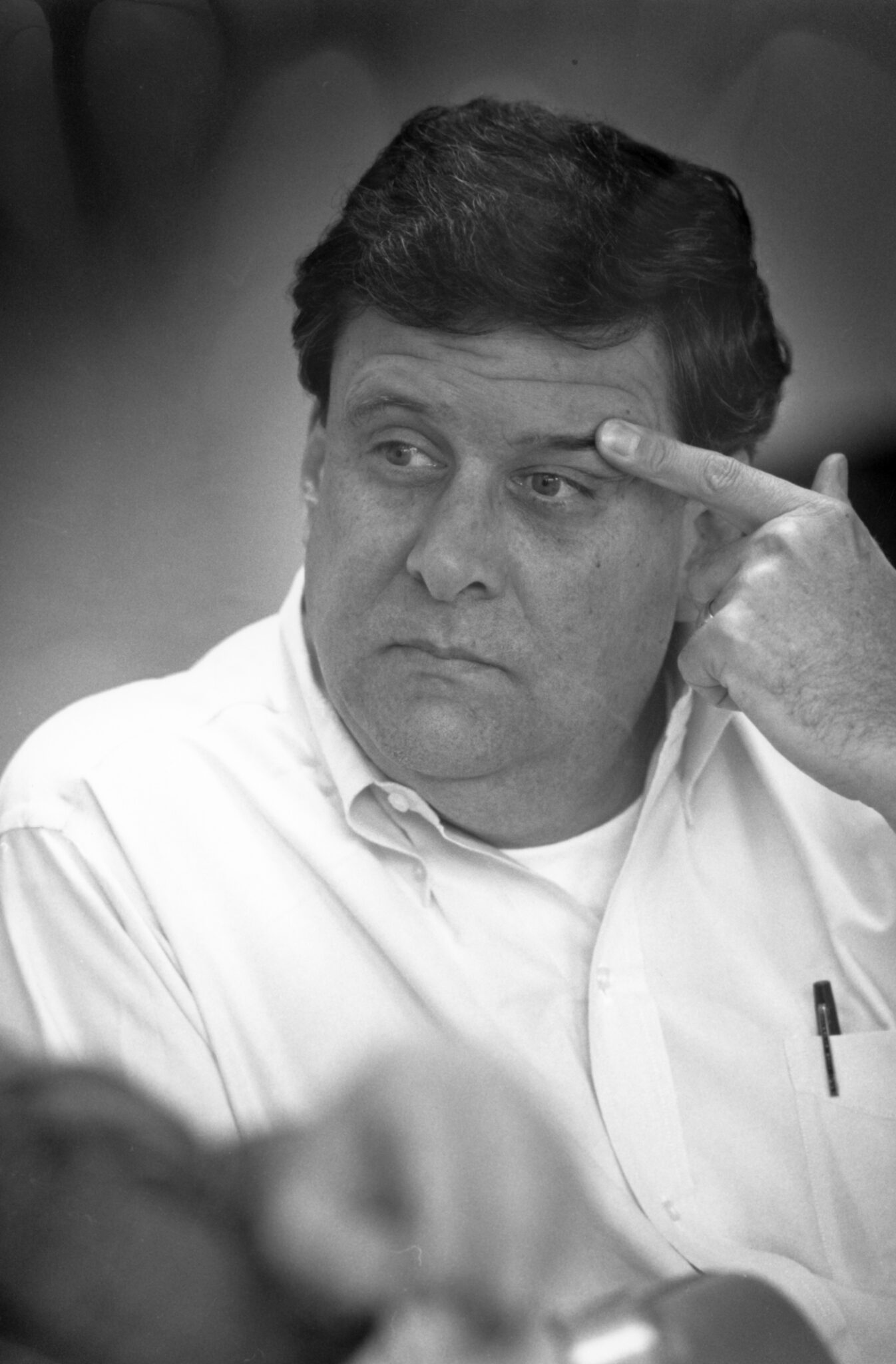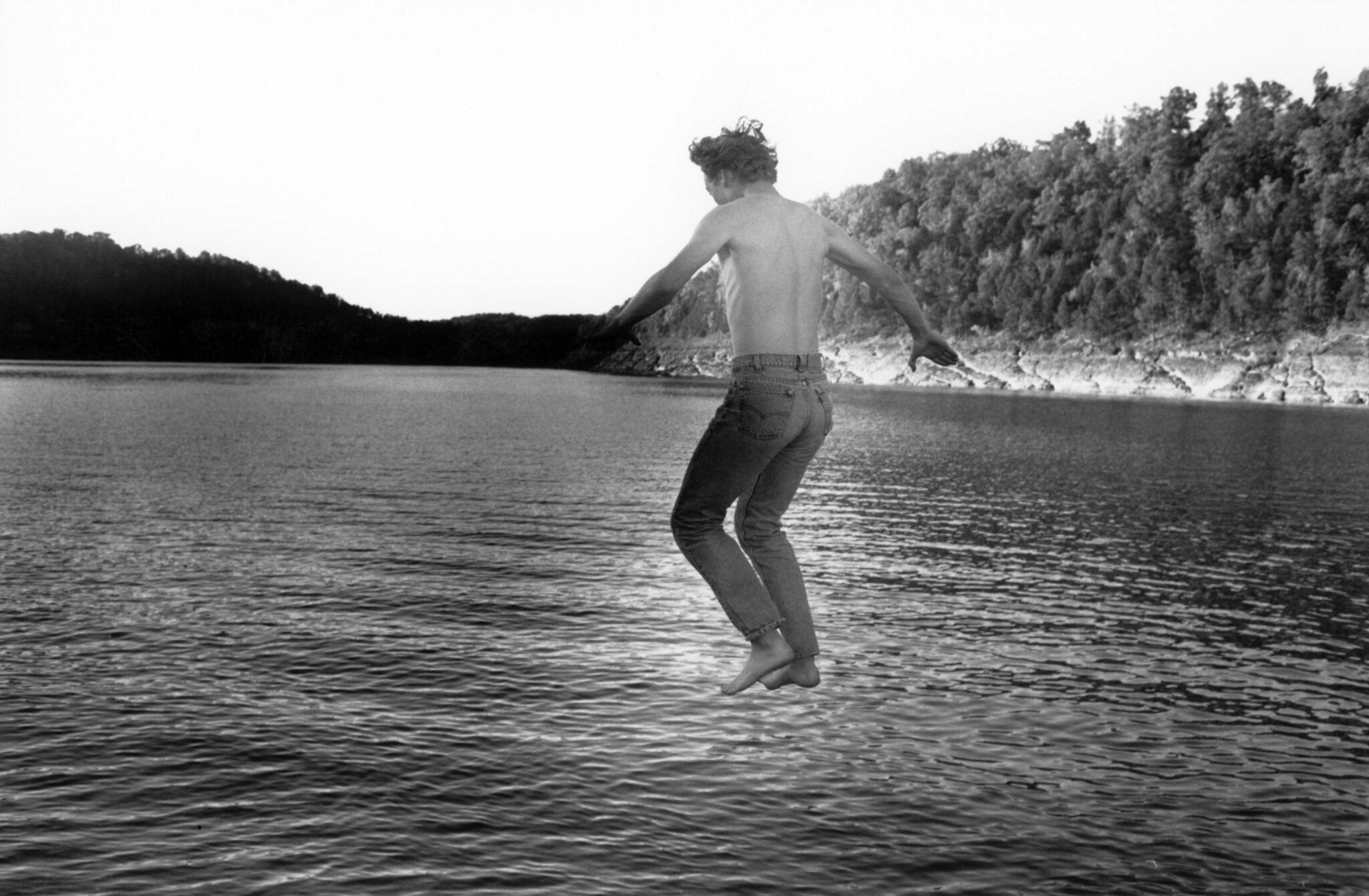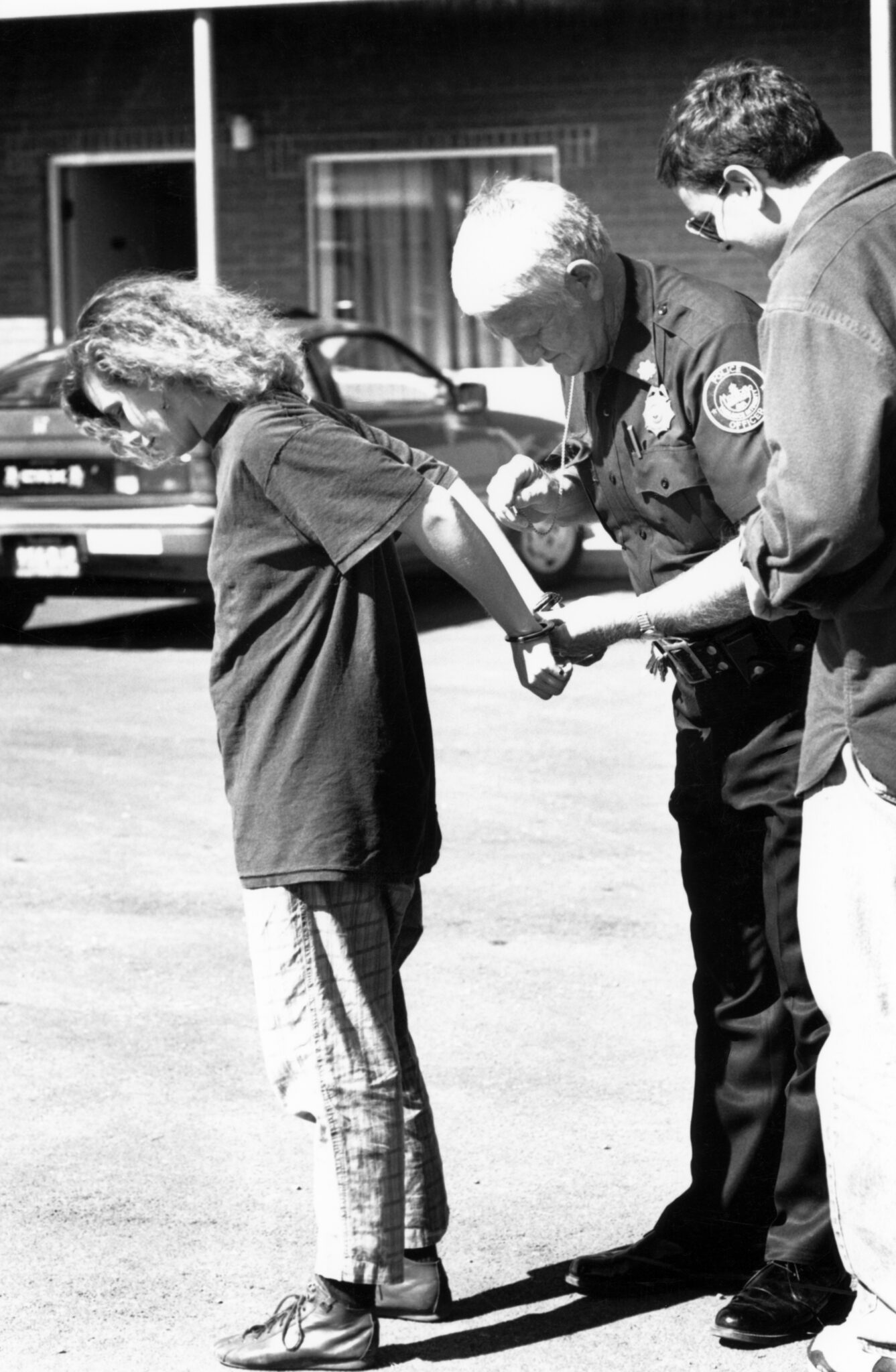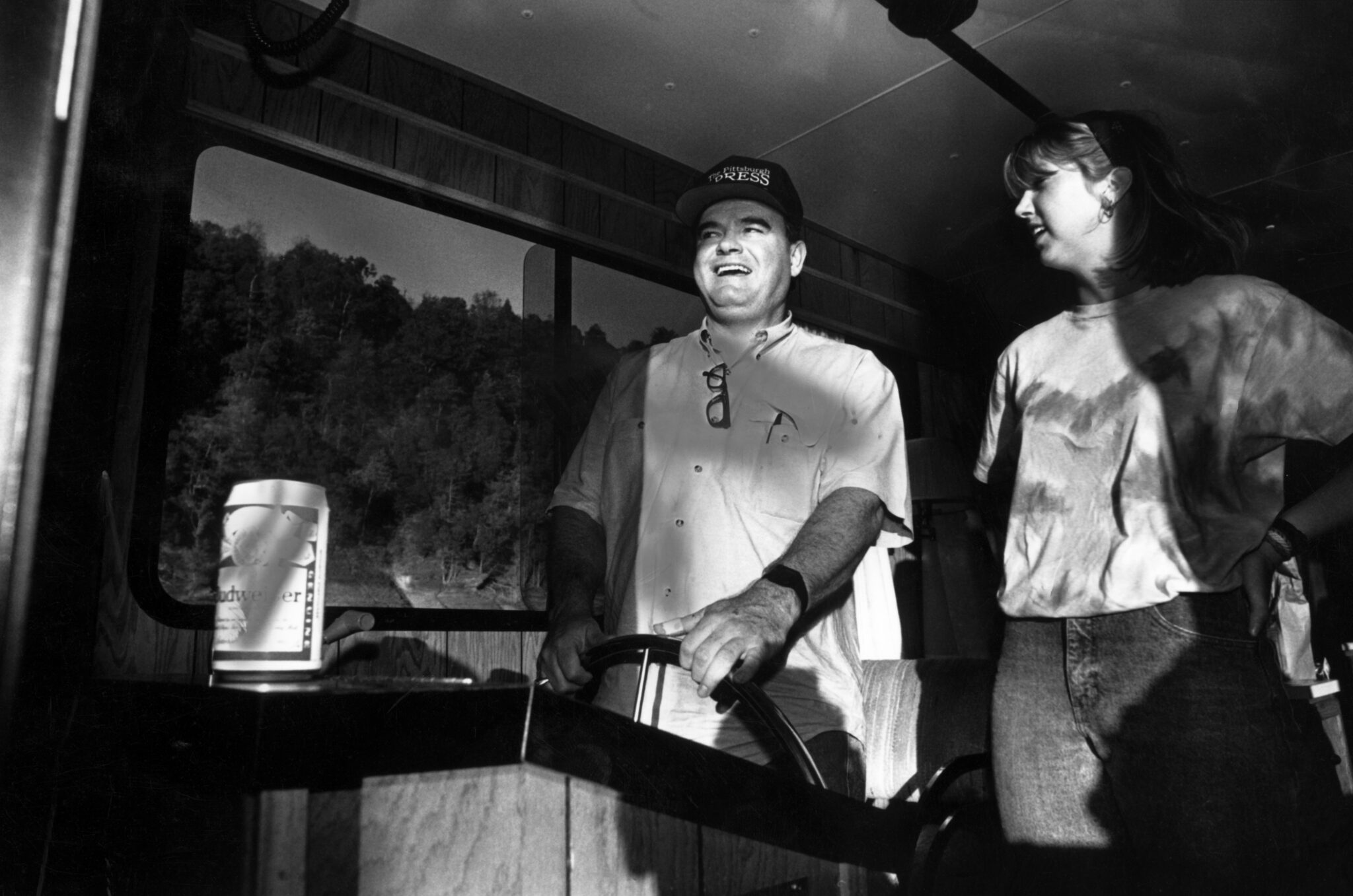
Shampoo bottles, hatboxes and boxes cover wooden shelves that have sagged after years of use in the old country store.
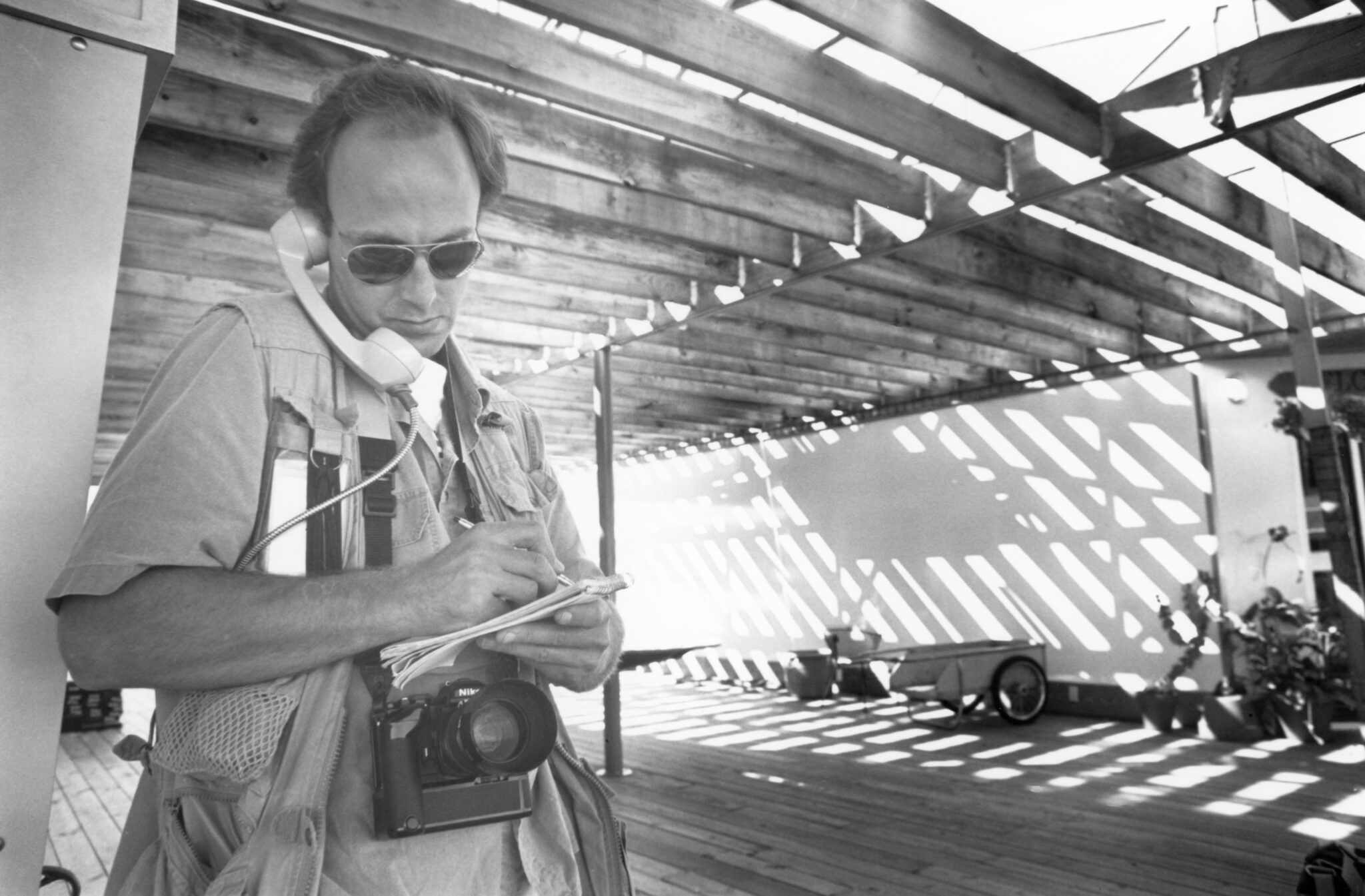
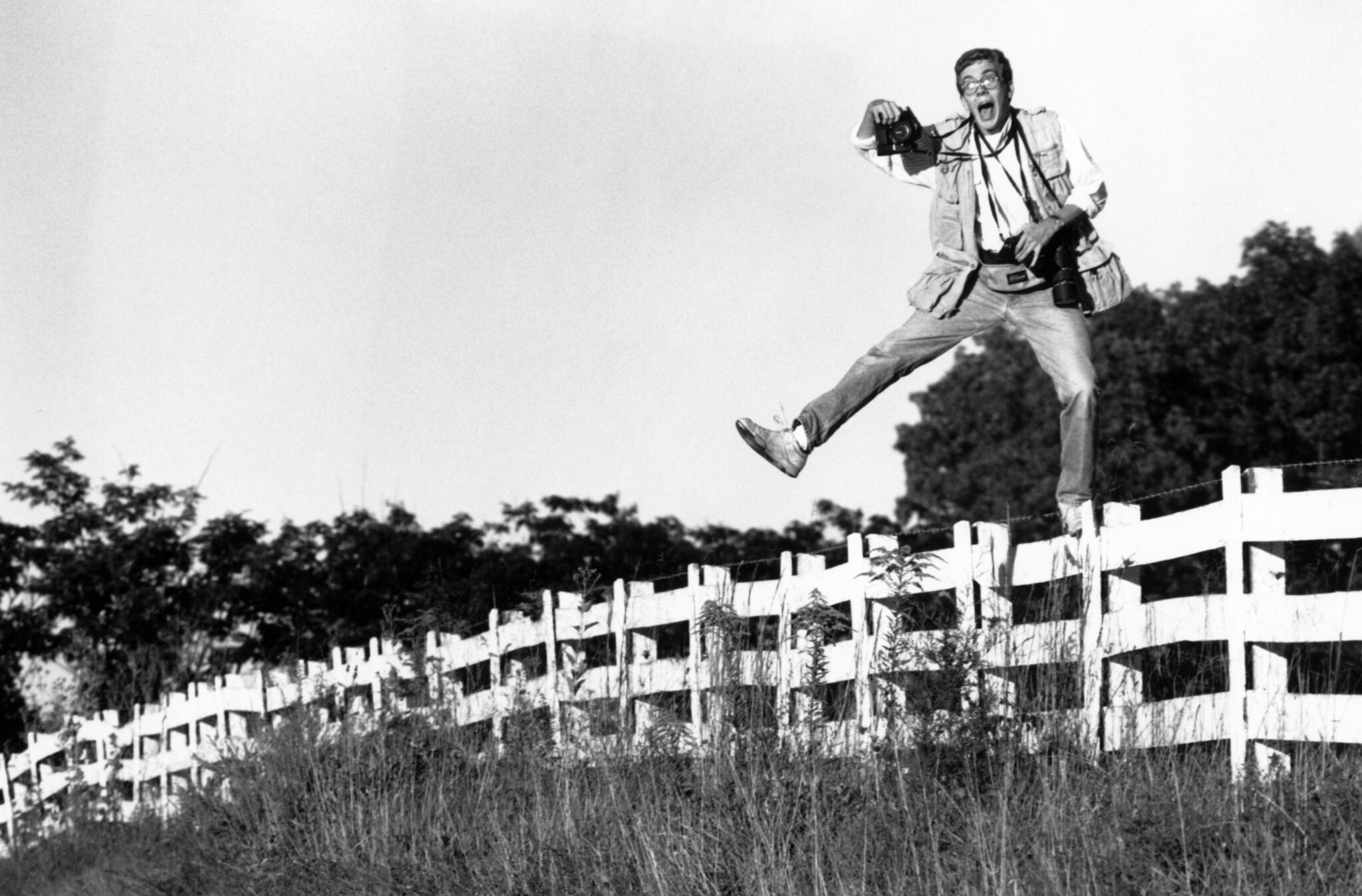
Among inspirational messages and snappy sayings yellowed with age, photographer Chip Woodson perches on an old Coca-Cola crate, trying to capture the image of the store owner Everett Dunagan as he waits behind the counter, surrounded by even more clutter.
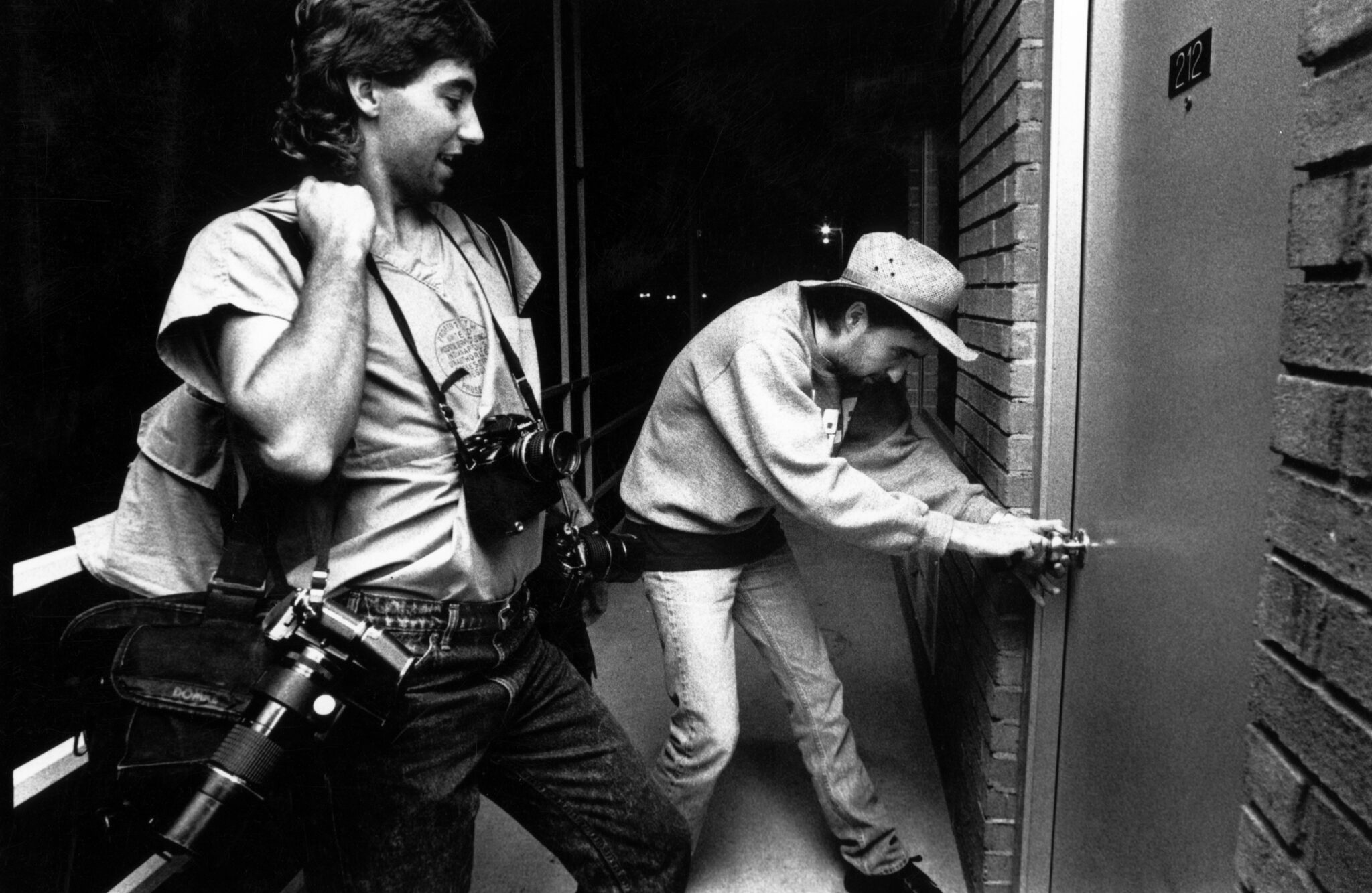
Woodson’s tripod, cameras and bag of lenses look decidedly out of place in Dunagan’s General Store in Mill Springs, Kentucky.
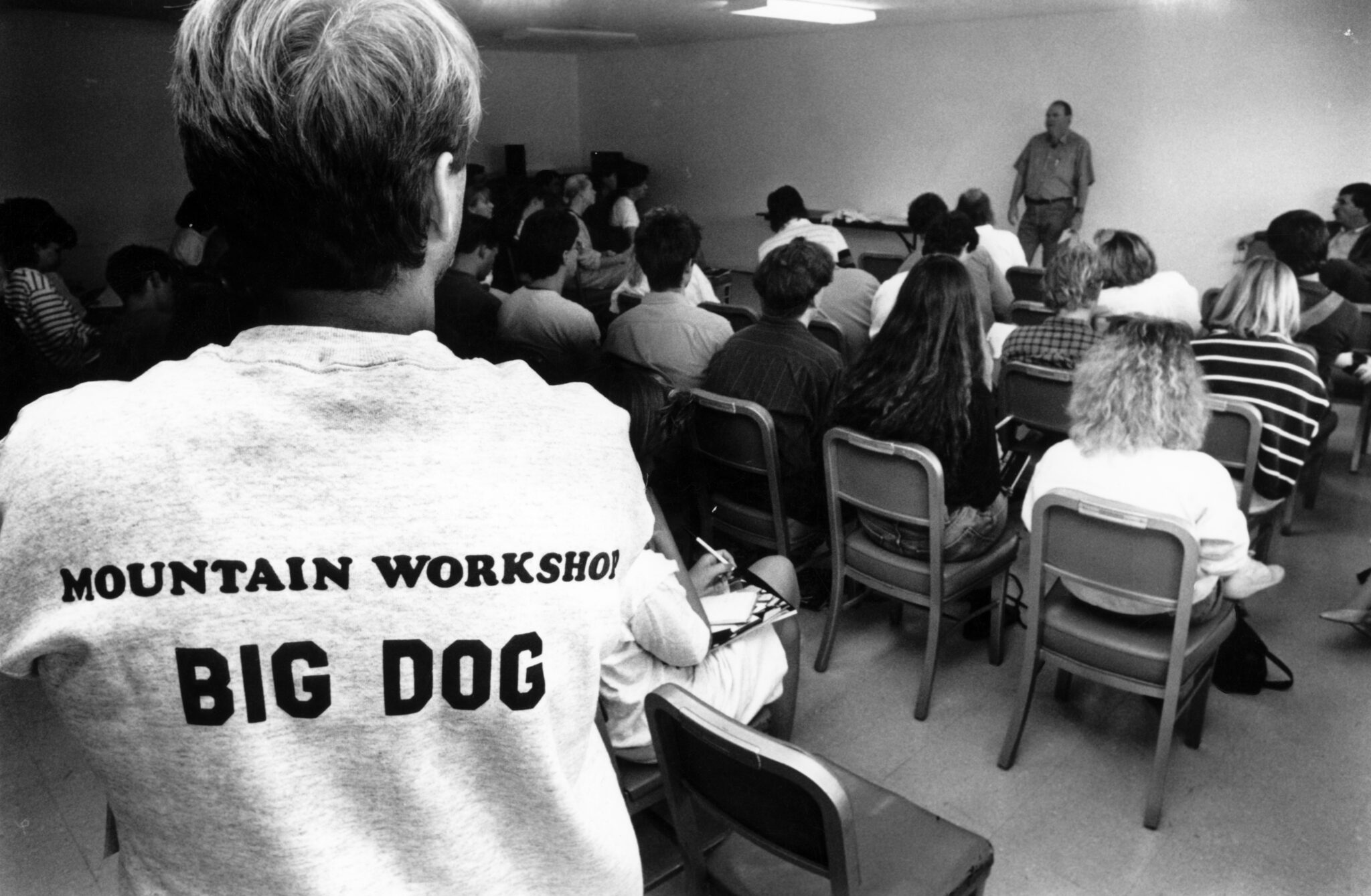
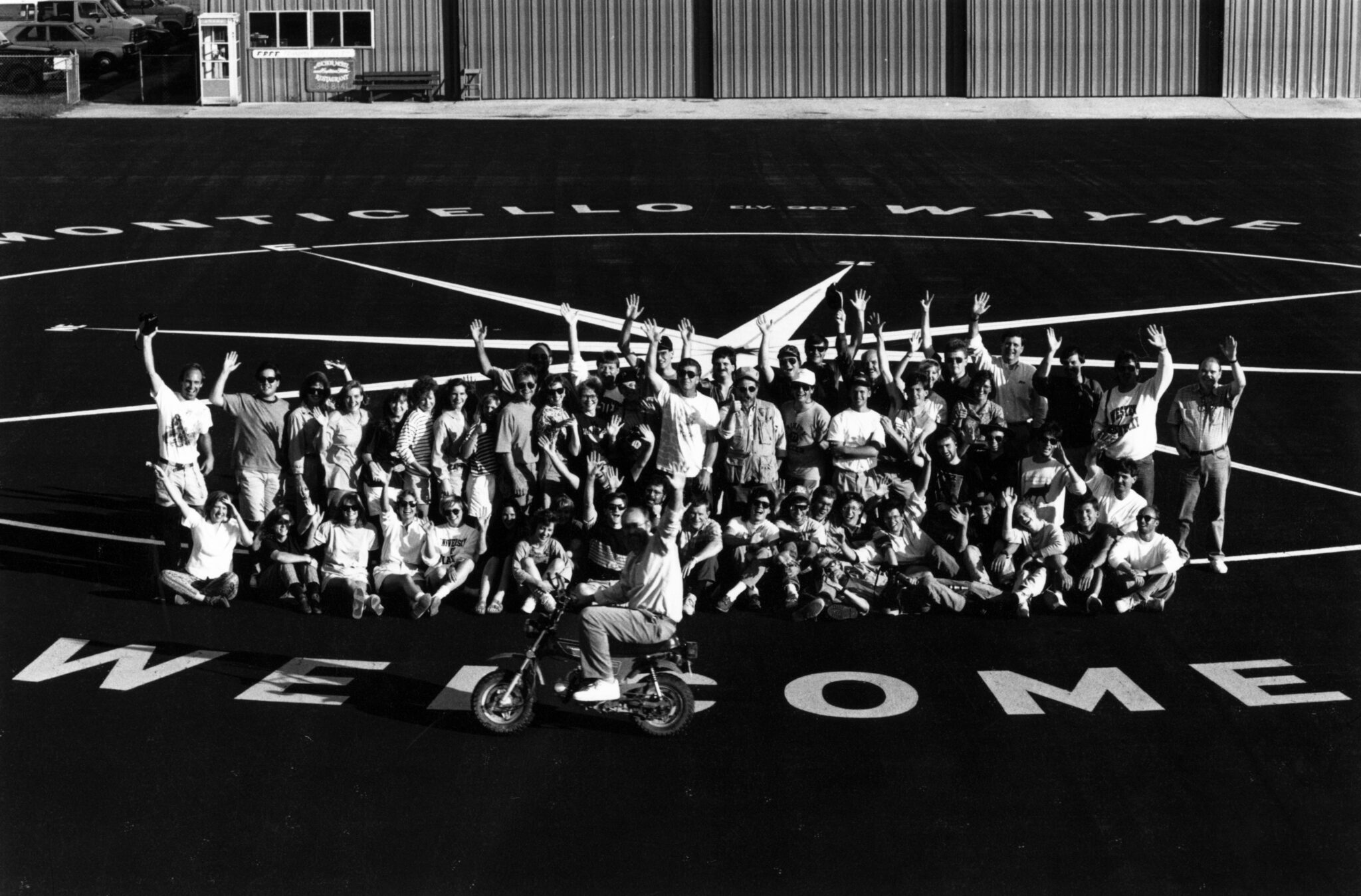
He was one of the 40 photojournalists who braved the criticism from faculty members and the roughness of the countryside at the 1990 Mountain People’s Workshop in Monticello, Kentucky.
“I sold two lenses to come to this,” said Woodson, a Western Kentucky University and Louisville resident.
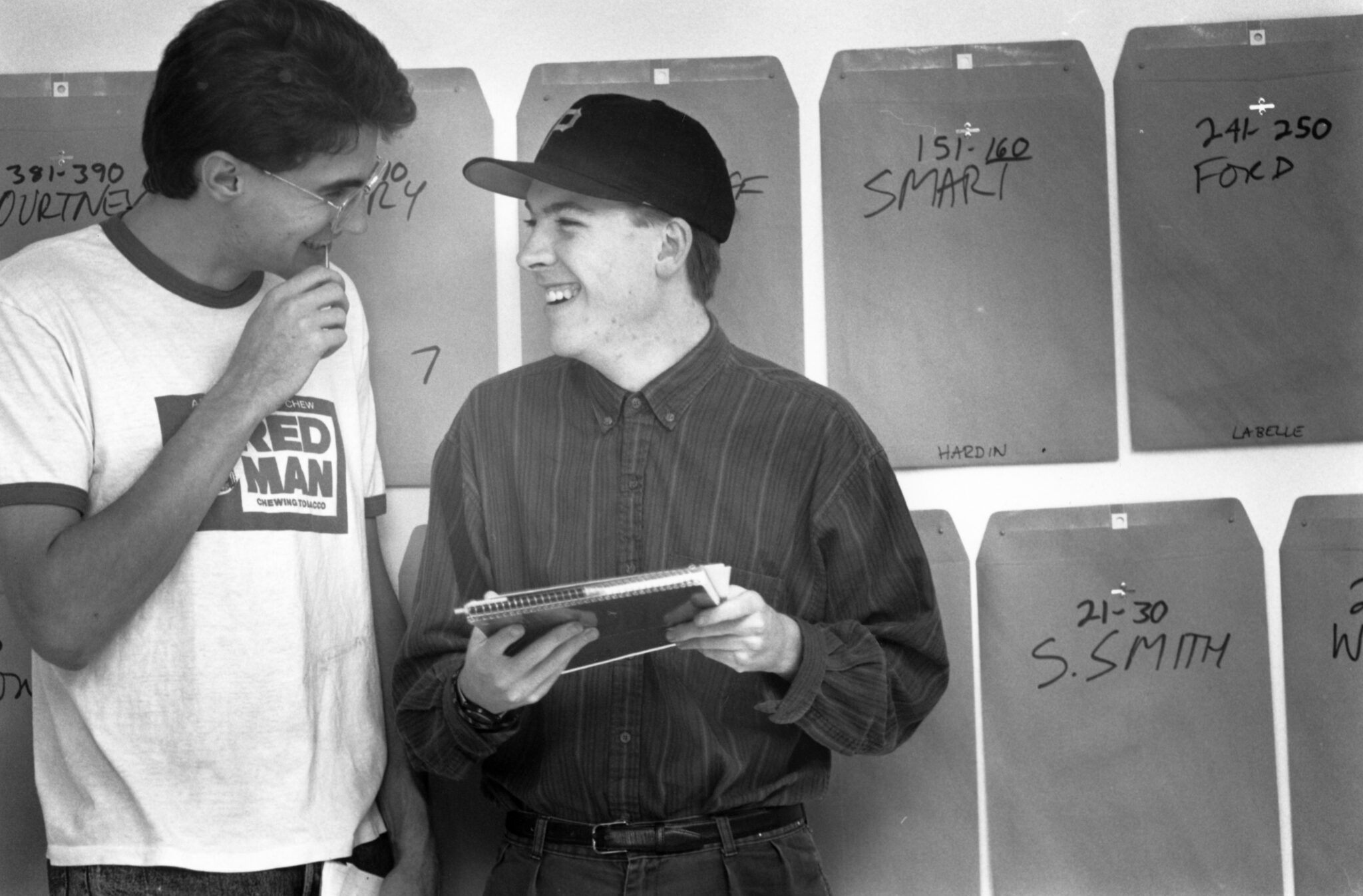
The workshop which is in its 13th year, provides photojournalists with the opportunity to document a story in both words and film, said Steve mart, Louisville Junior at Western.
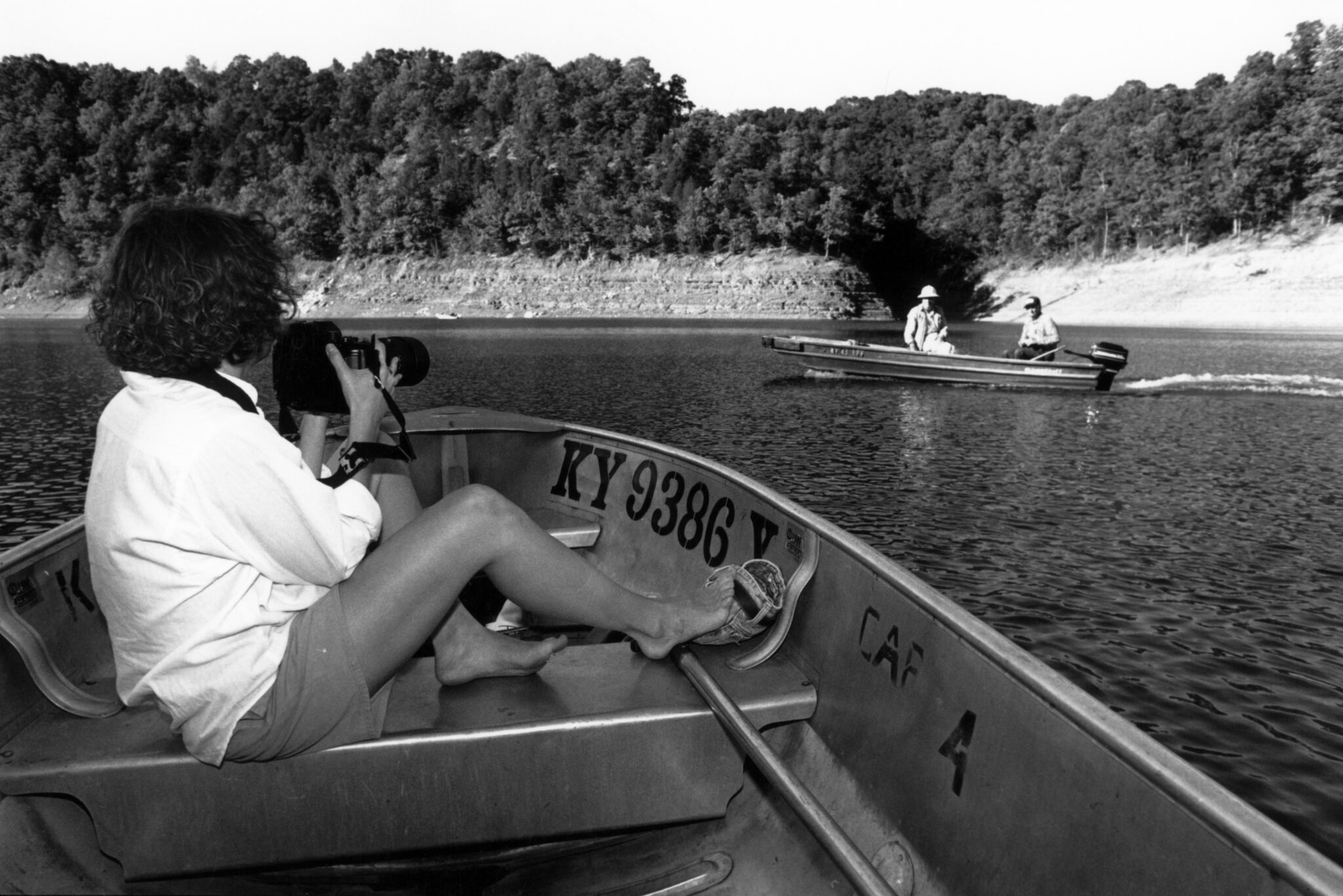
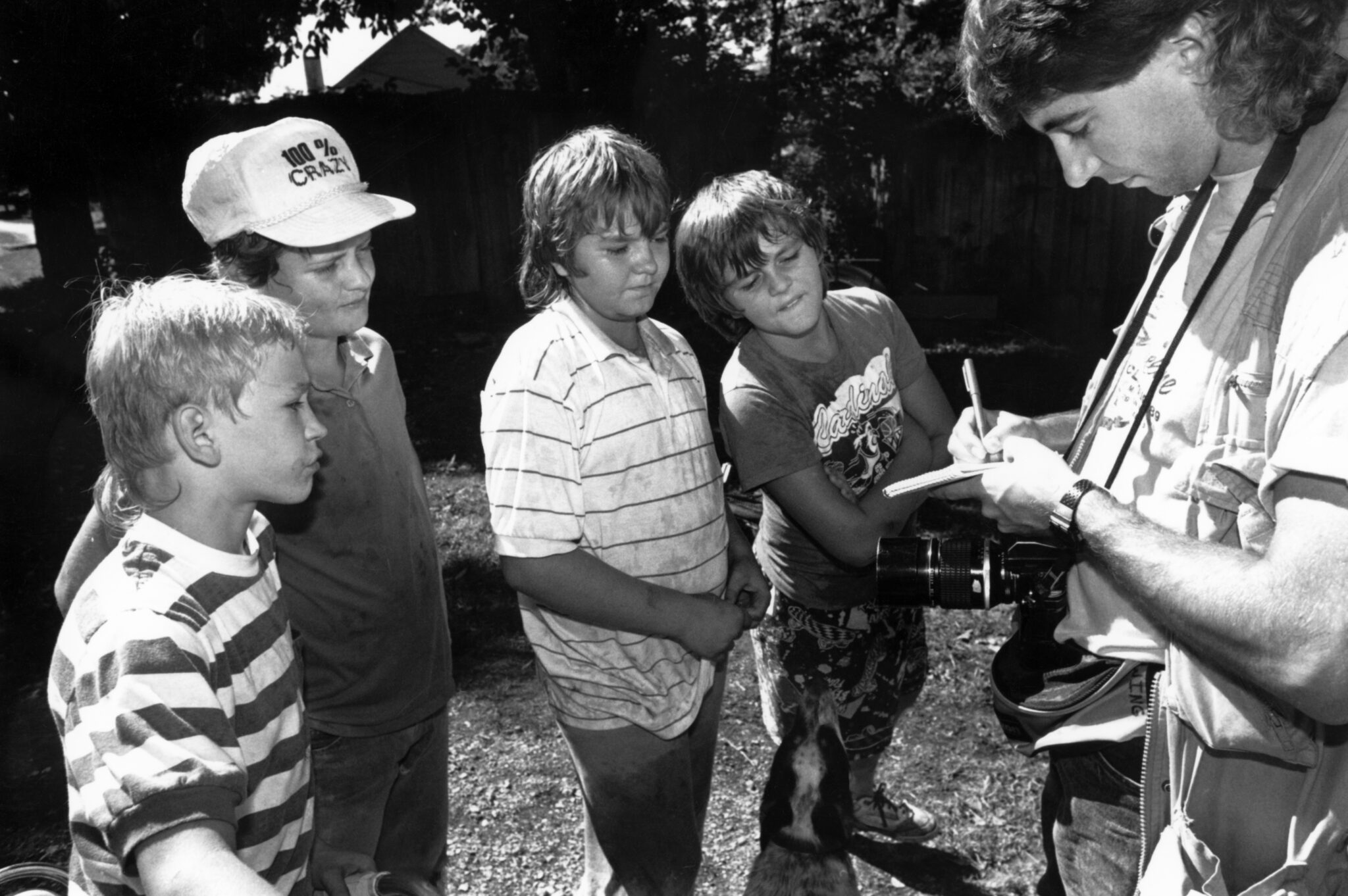
In three days and ten rolls of film, workshoppers stepped into the lives of the citizens of Wayne County, causing residents to gather on street corners and discuss “those student picture takers from Bowling Green.”
Shooting began as early as 4 a.m. and continued into the evening as students tried to capture as much of the area’s lifestyle as they could in one weekend.
“I’m off to get an early start on the pool hall,” said Tamara Voninski, a junior from Nashville, glancing at her watch that read 4:15 a.m. “I need to get as much done as I can today.”
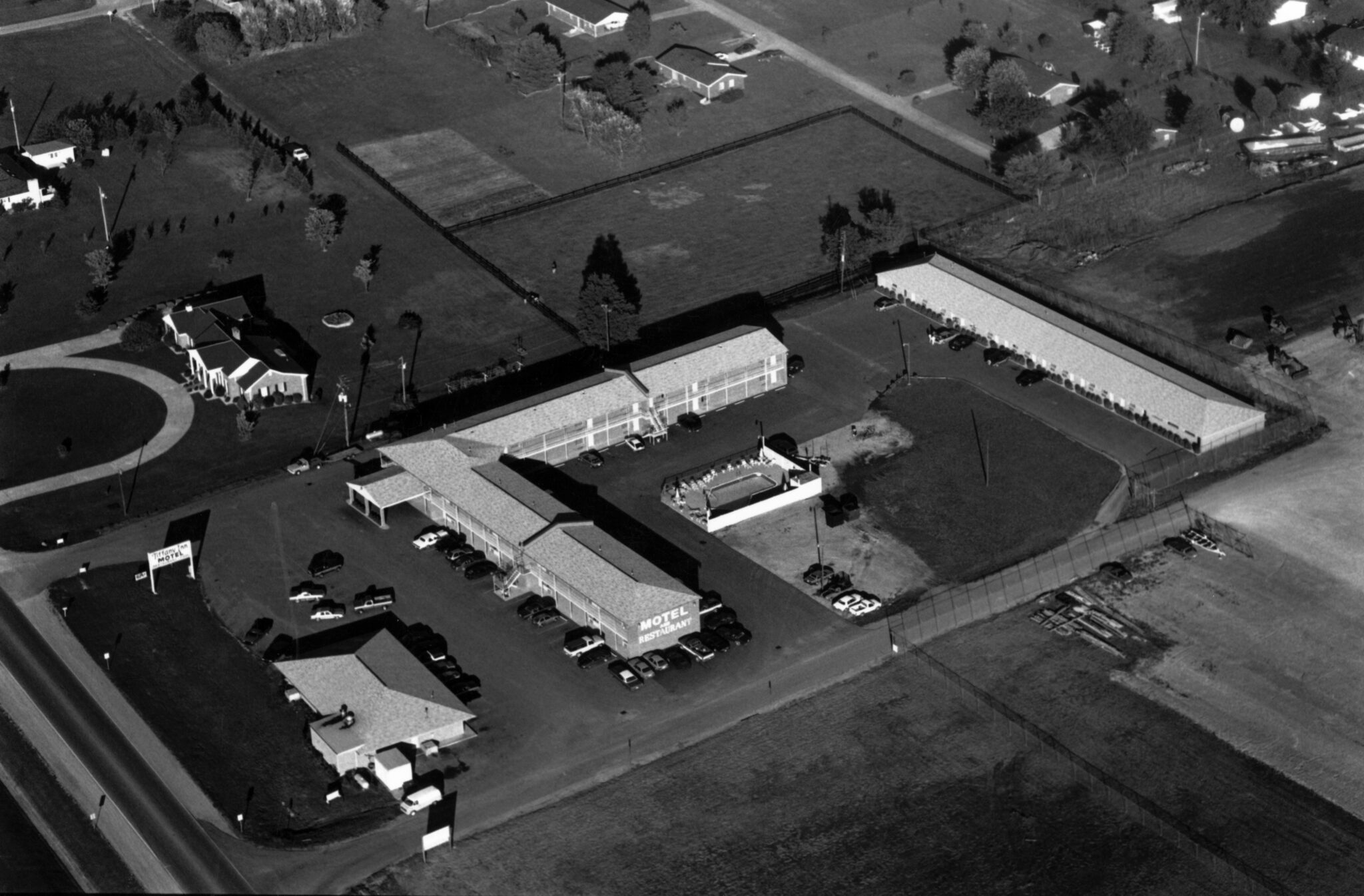
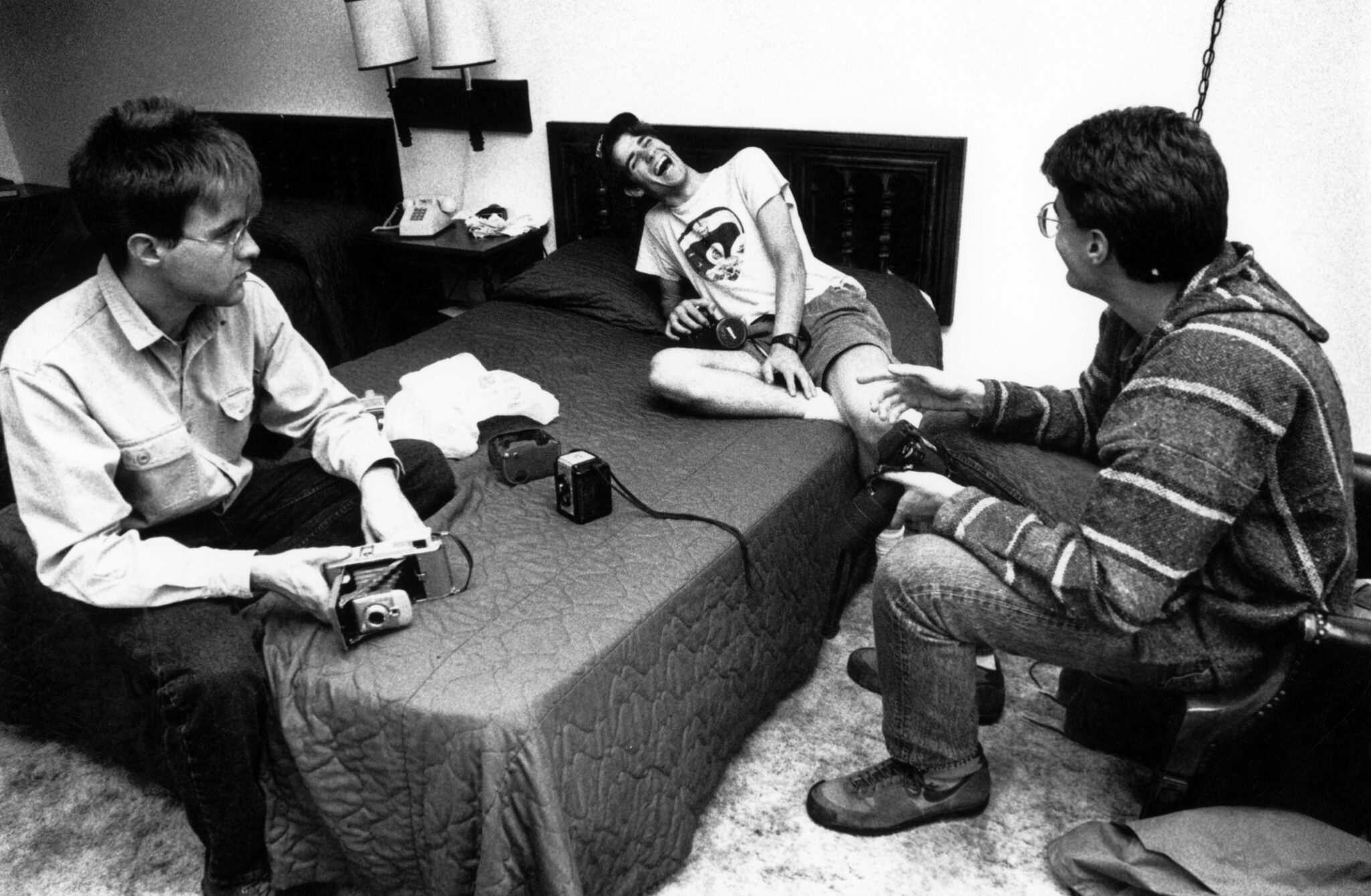
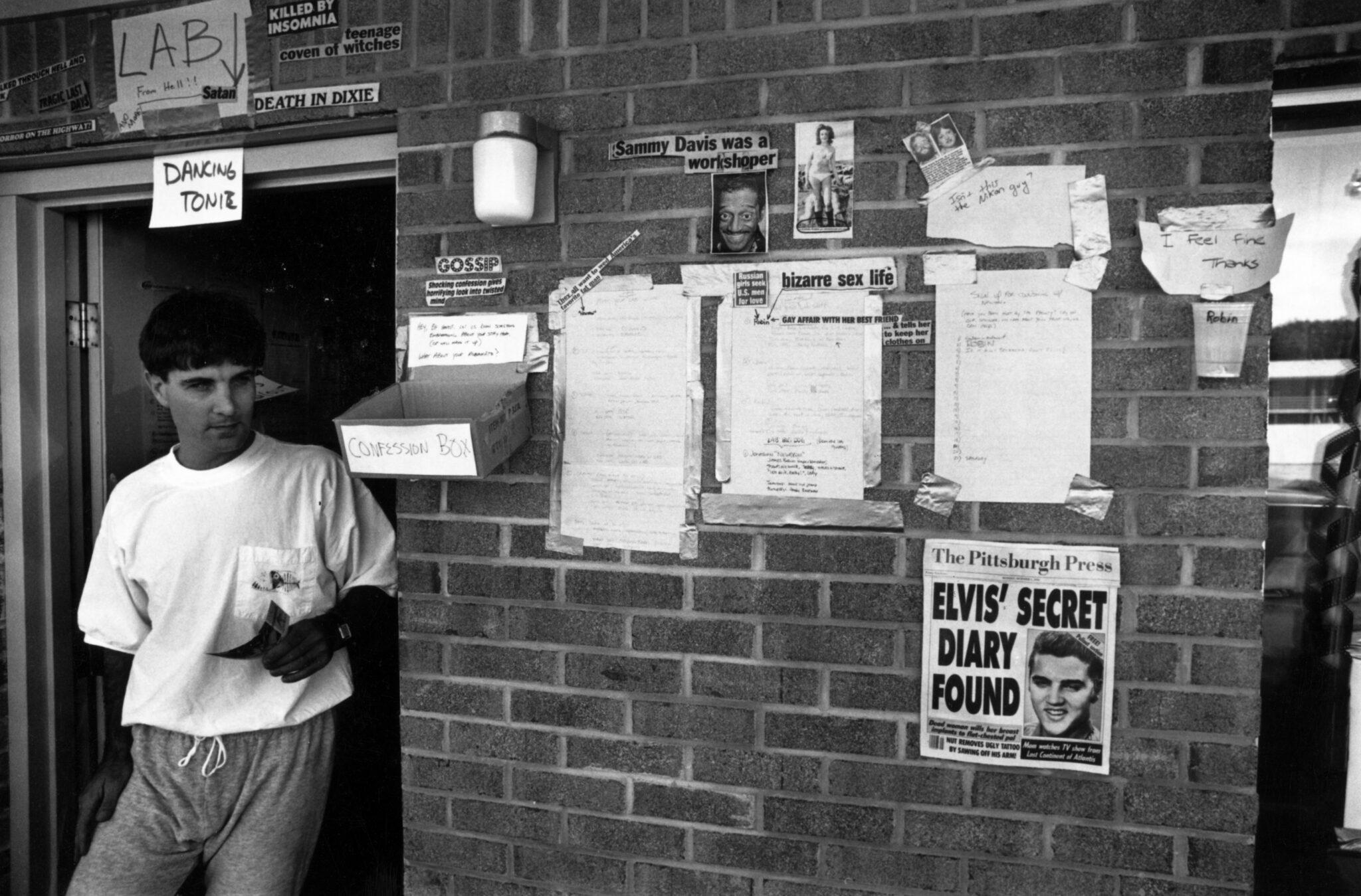
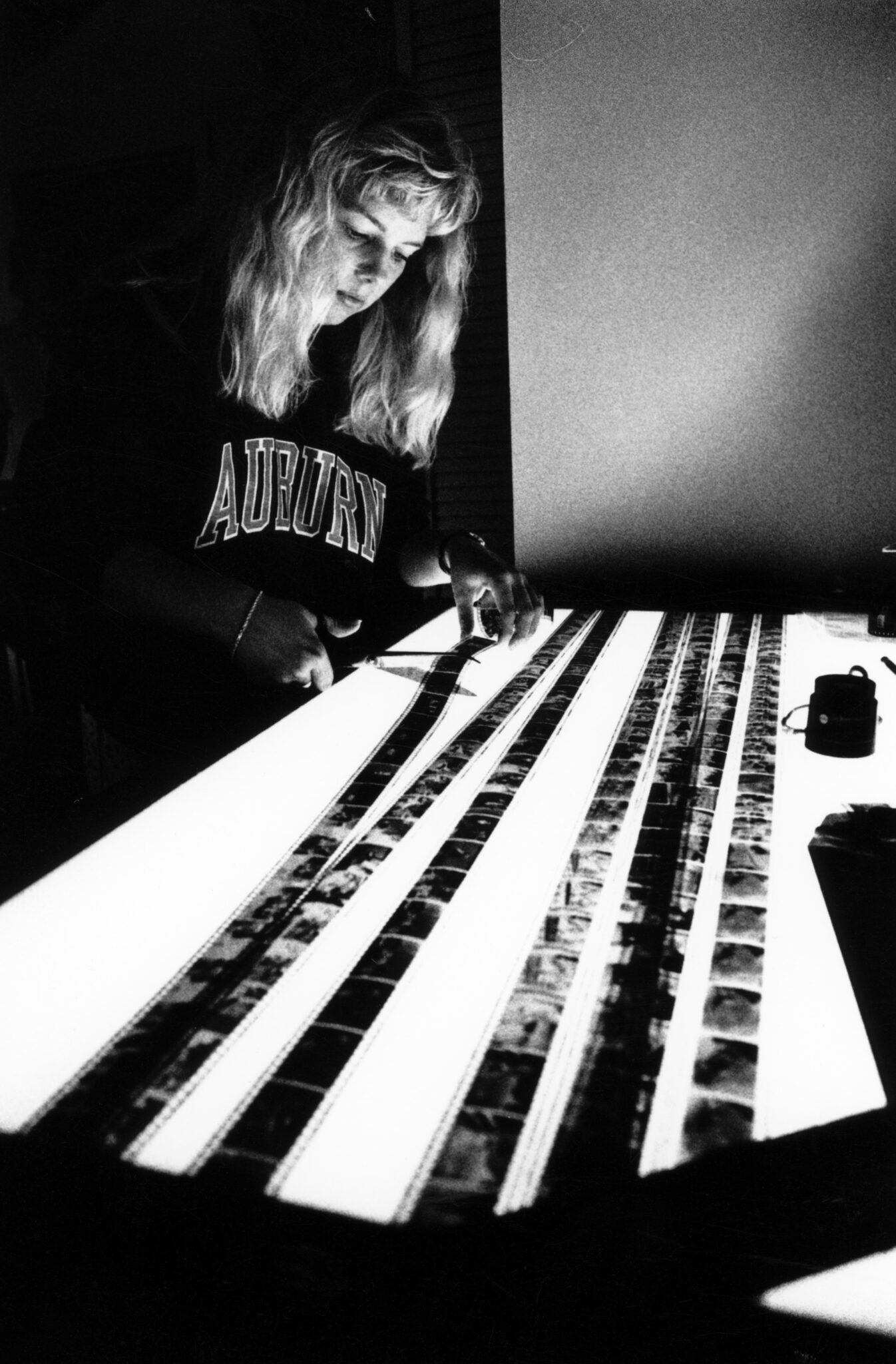
During the day, photographers made regular film drop-offs at the motel-turned photo lab while lab workers processed film and printed pictures that the seven workshop faculty members would critique each evening.
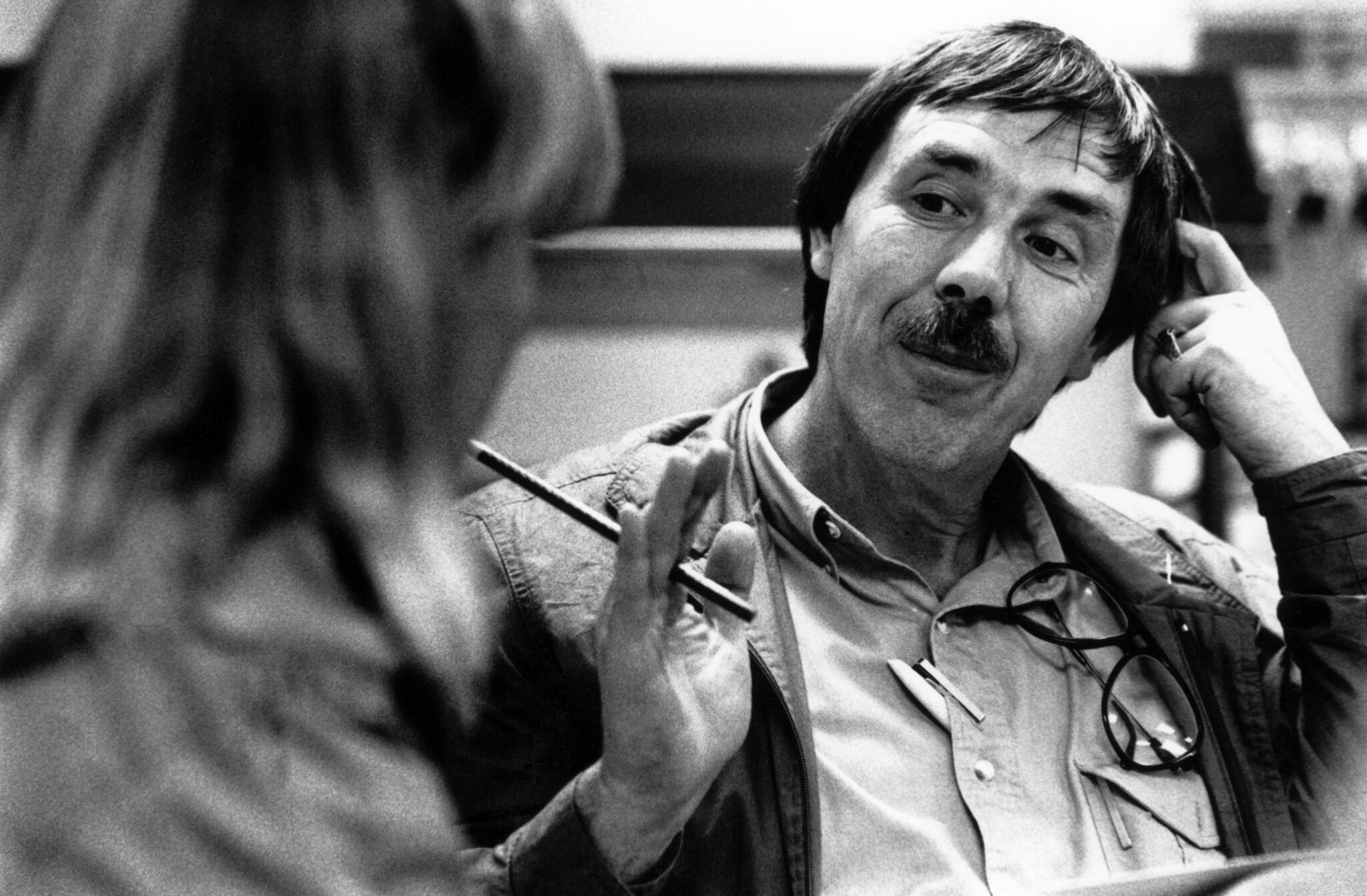
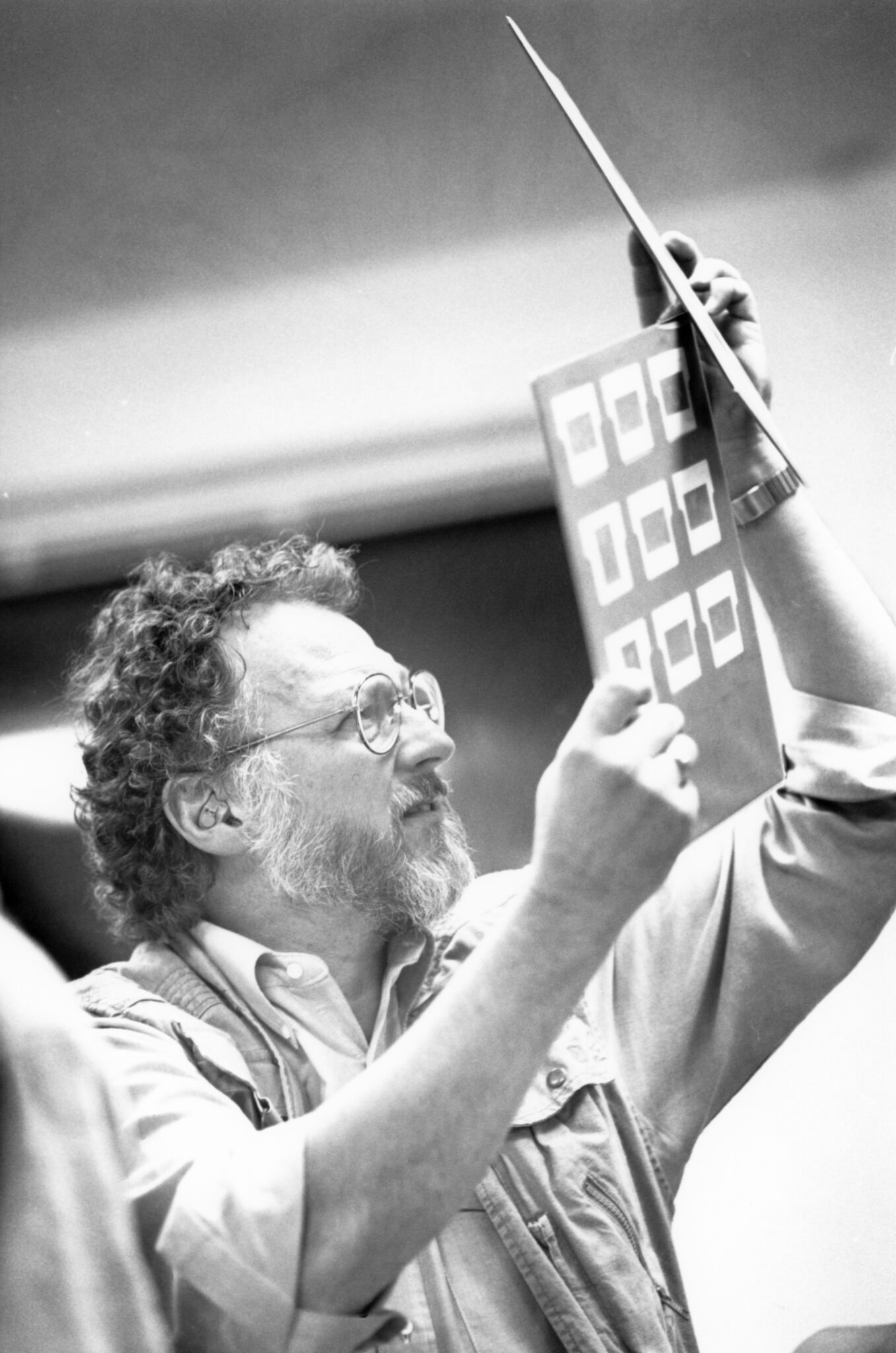
“The workshop really changed my photographic life,” said Jonathon Newton, lab director and a 1985 workshop student, as he flipped contact sheets from a developer. “I was a mediocre photographer. Shooting the workshop opened my eyes to what photojournalism could be.”
“I wanted to give something back,” said Newton, a staff-photographer for the Atlanta Journal-Constitution.
1989 Western graduate and lab worker John Dunham said he also wanted to give something back to the workshop where he was also a student in 1988.
“It gave me an opportunity to see what real photo editors at newspapers are looking for,” said Dunham, photo editor of the Thomasville Times, Thomasville, North Carolina. His voice echoes off the wall of the tiny hotel bathroom that has been turned into a film developing lab. The rest of the hotel room is littered with negative files, contact sheets and canisters of film waiting to be developed. It’s off-limits to workshop students.
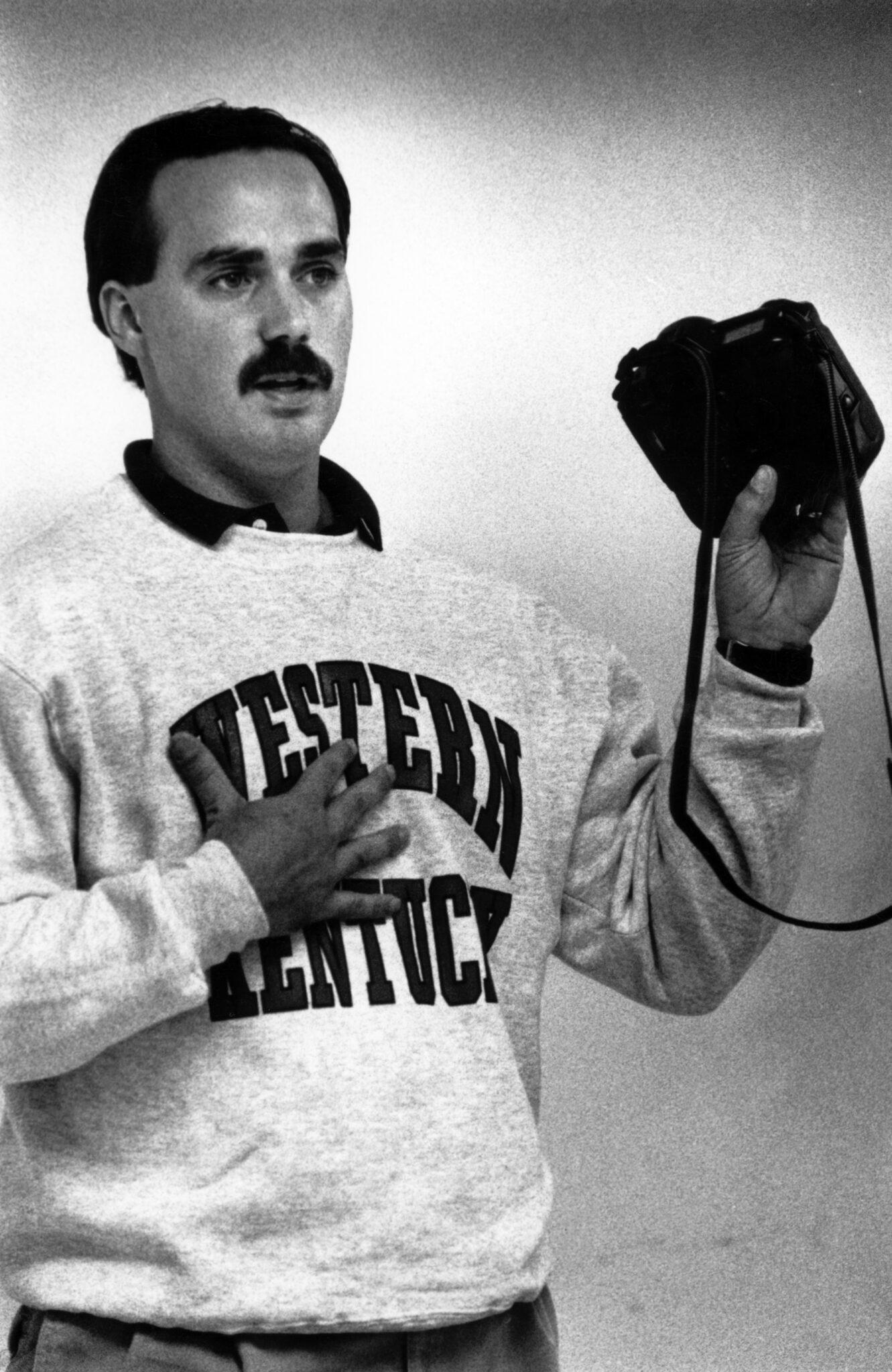
“For the most part students are learning the basic composition of a photo story,” Dave LaBelle Western’s photojournalist-in-residence who helped find the subjects for the stories. “Many of them have no idea of how to put a story together.
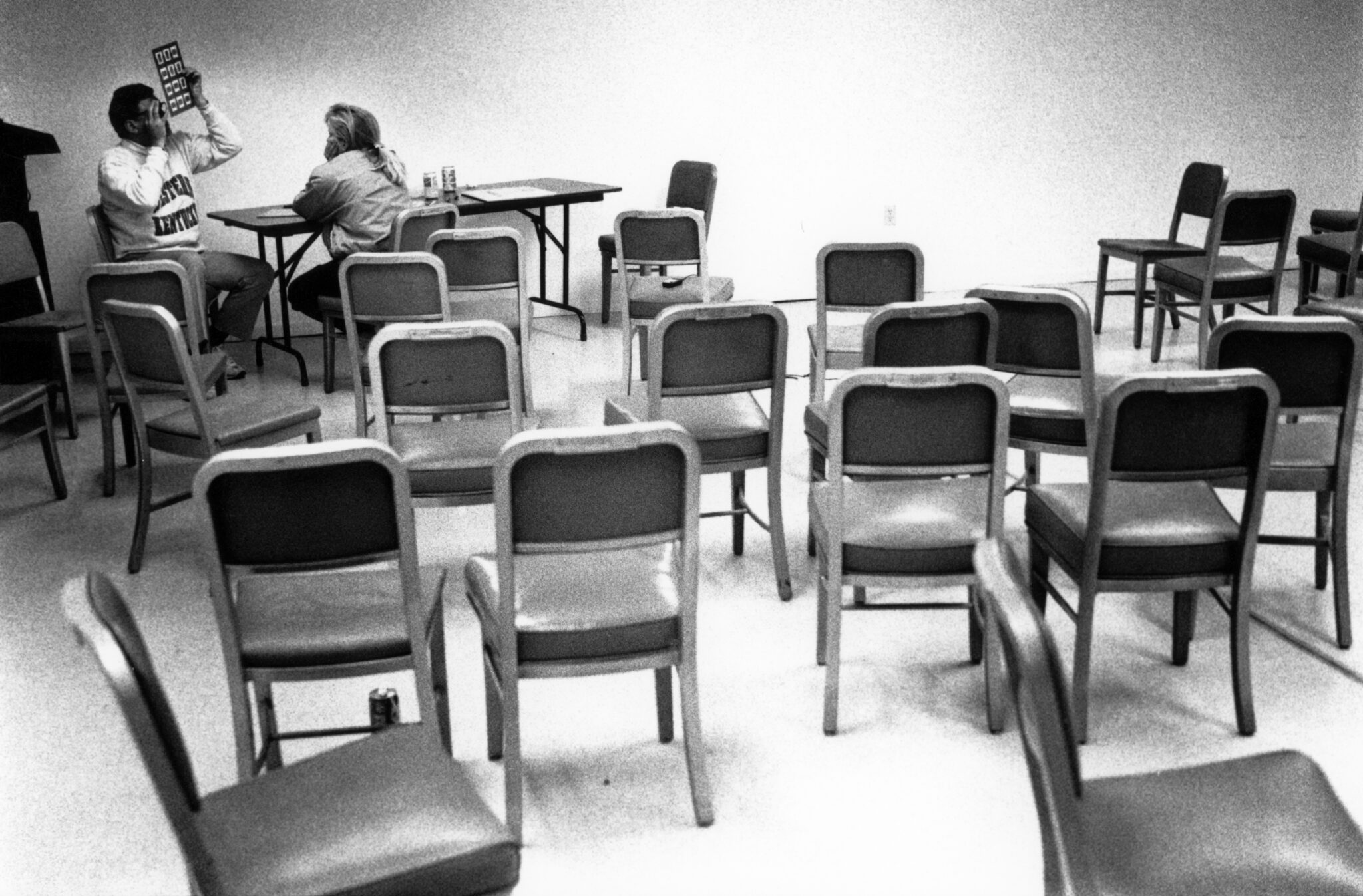
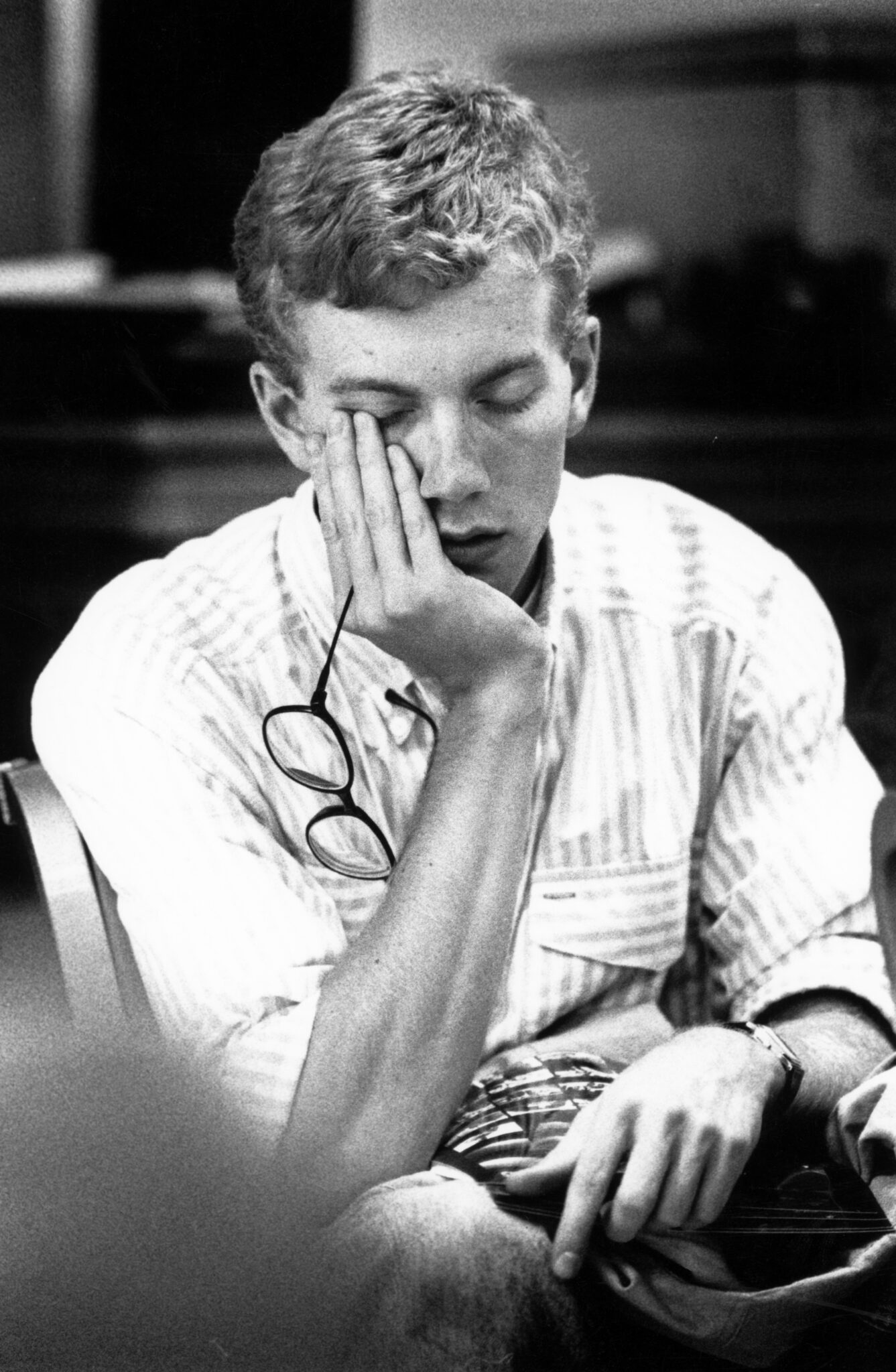
Each night after the critiques students studied their own work, talked with instructors, and planned the next day’s attack on their stories.
“It’s hard, trying to coordinate something in such a short period of time,” Smart said. “It’s hard to get to know someone and make them feel comfortable enough to have you around all of the time.”
At the end of the workshop, when the lab was torn down and packed, faculty members headed to the airport and students trailed home.
“It was like a good, swift kick in the pants,” Woodson said. “Something to motivate you.”