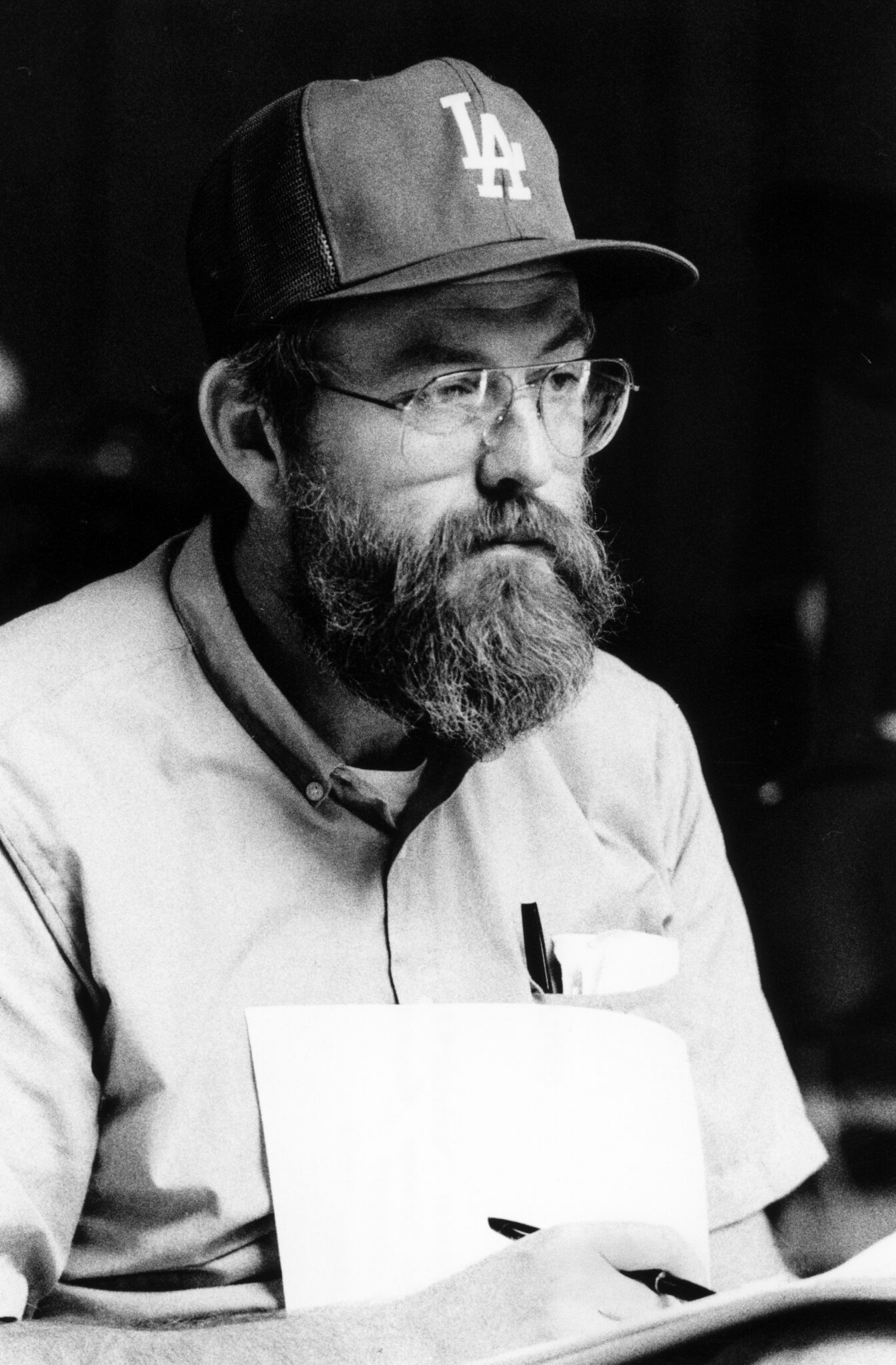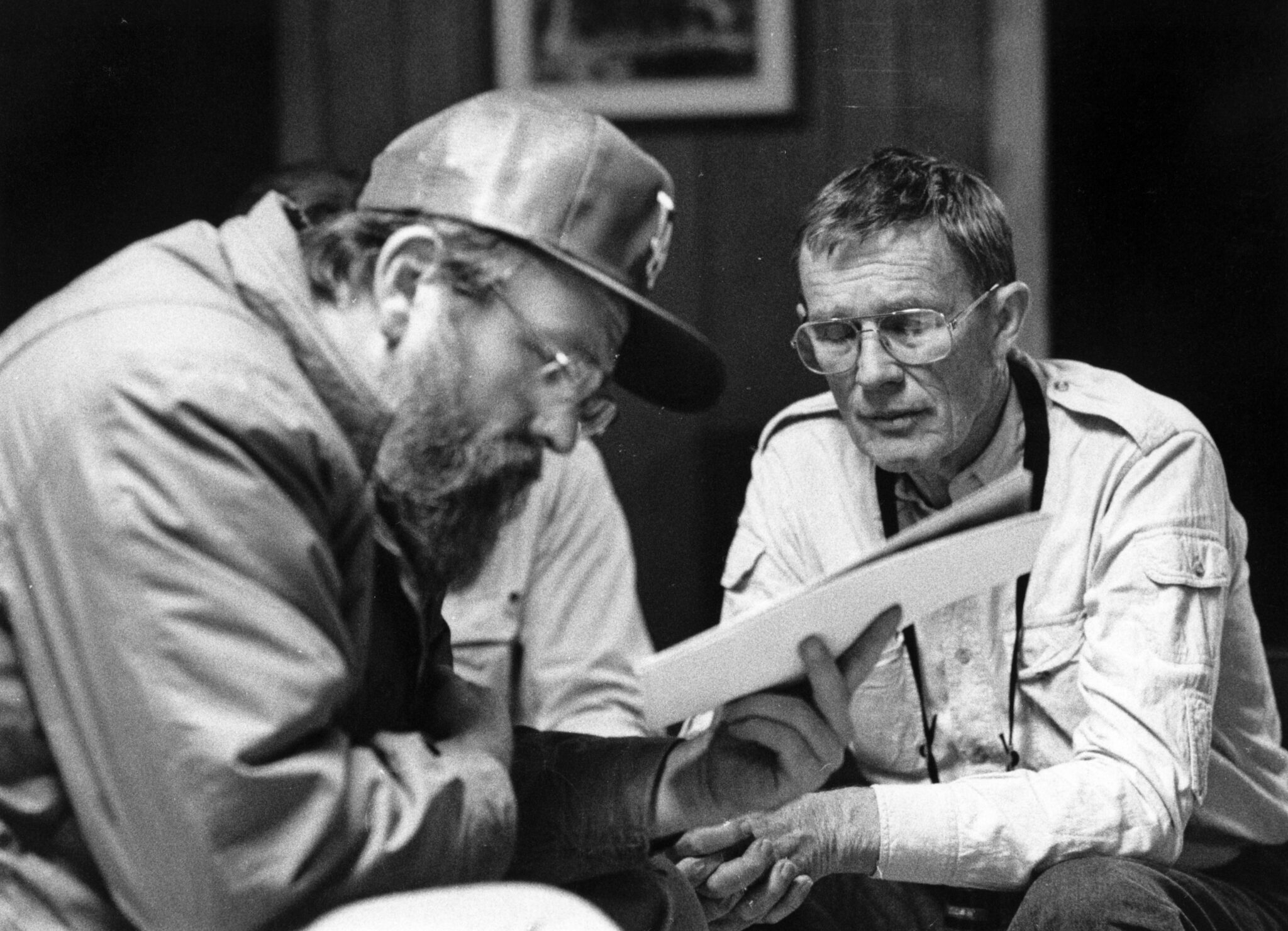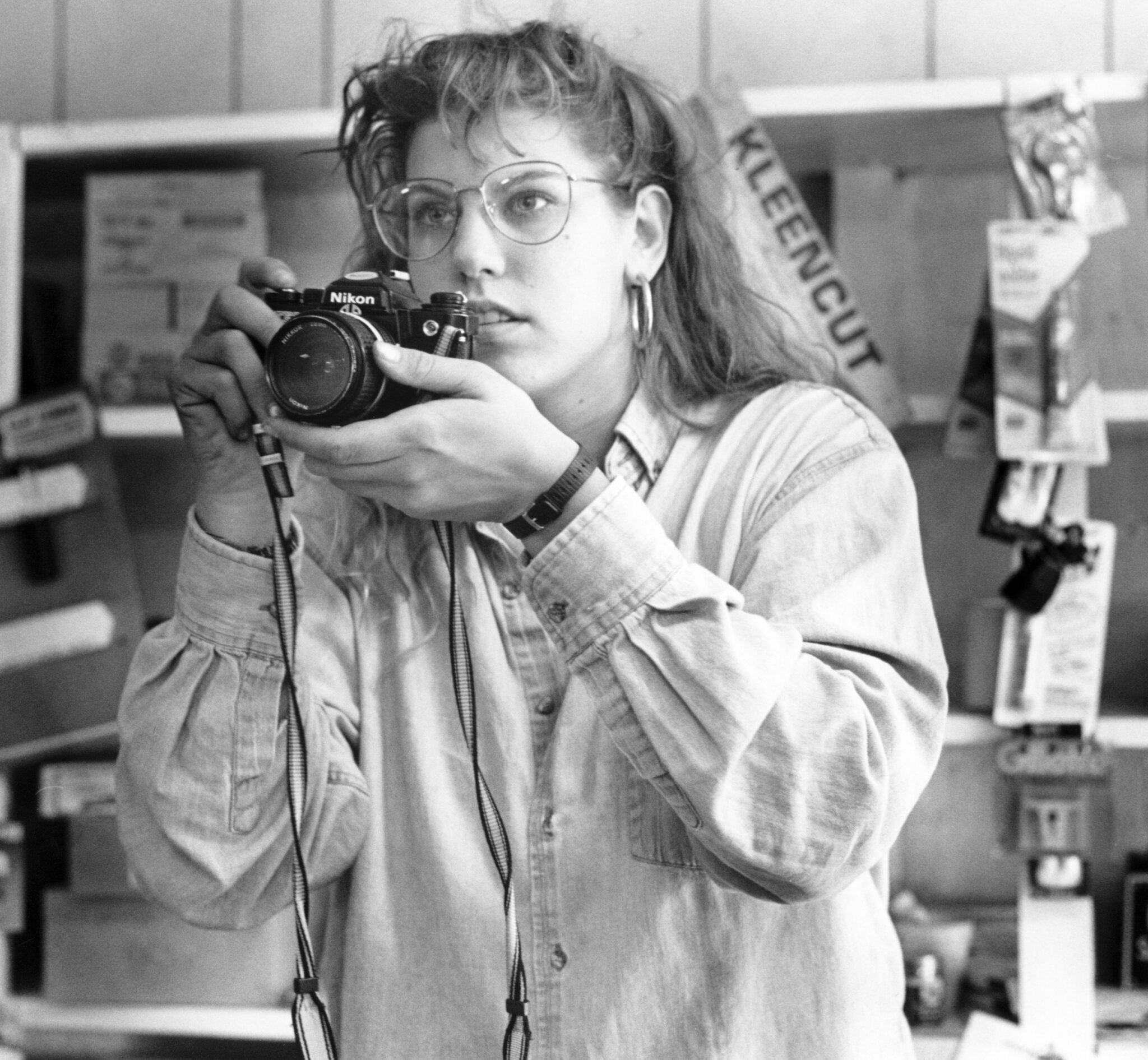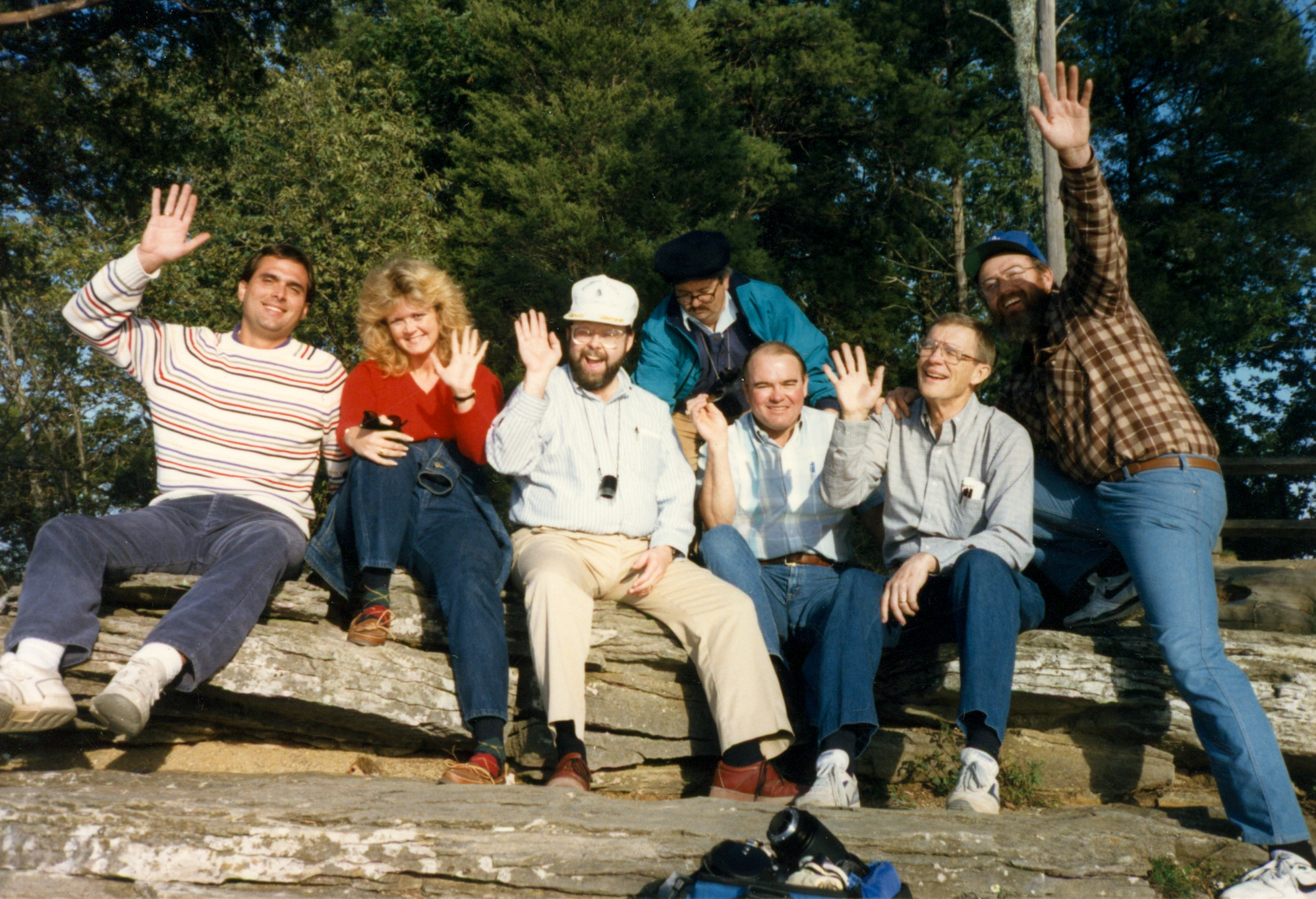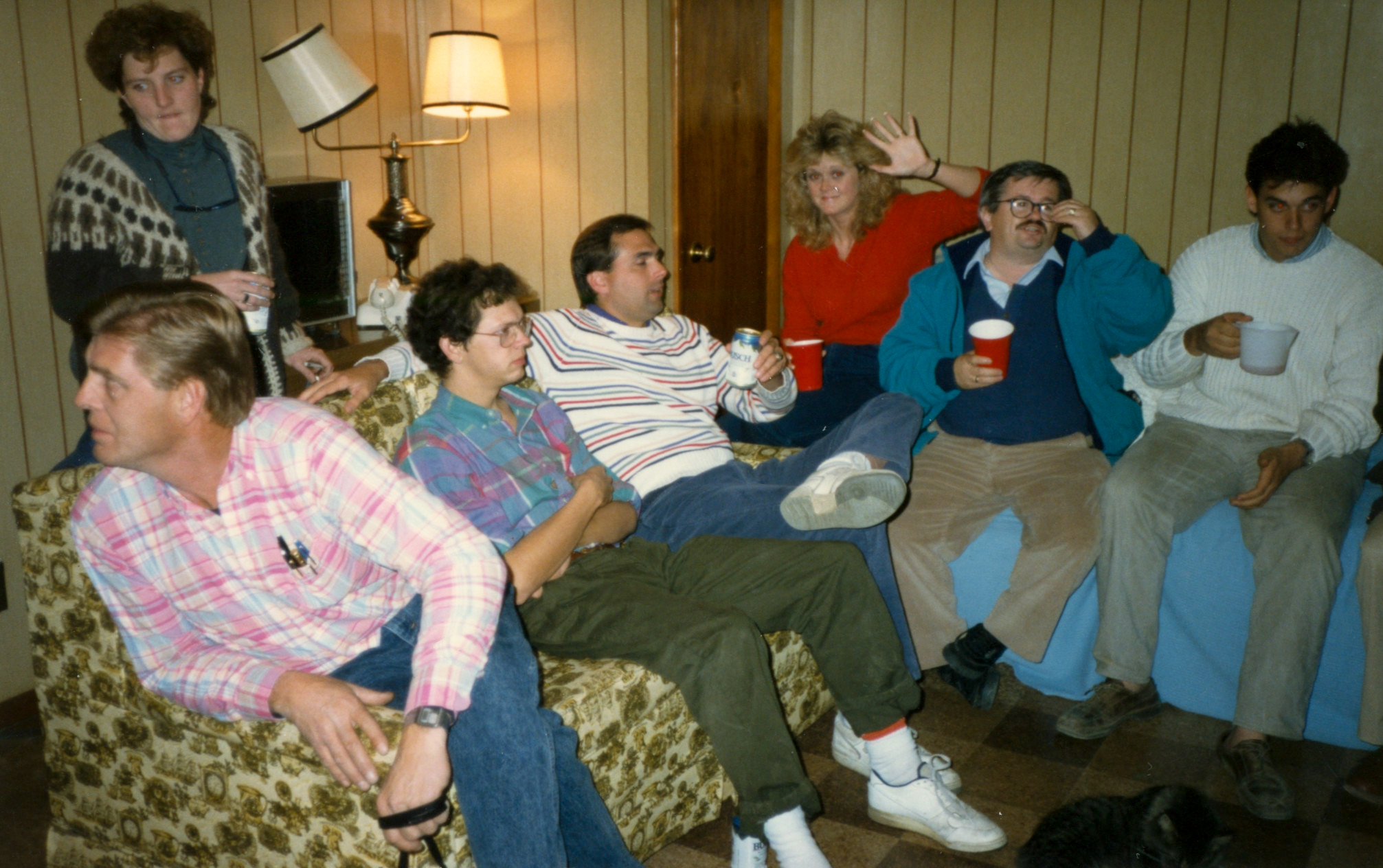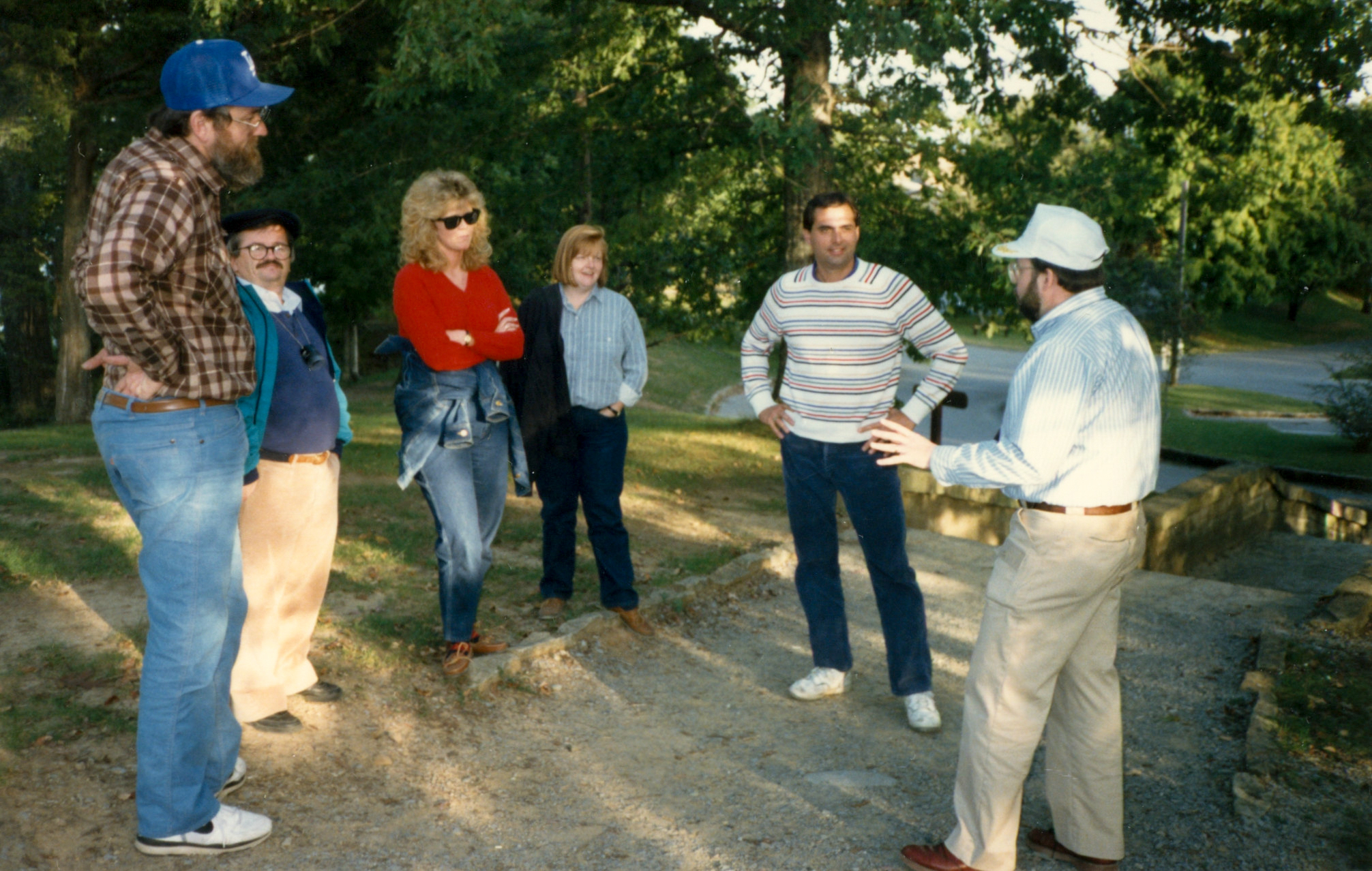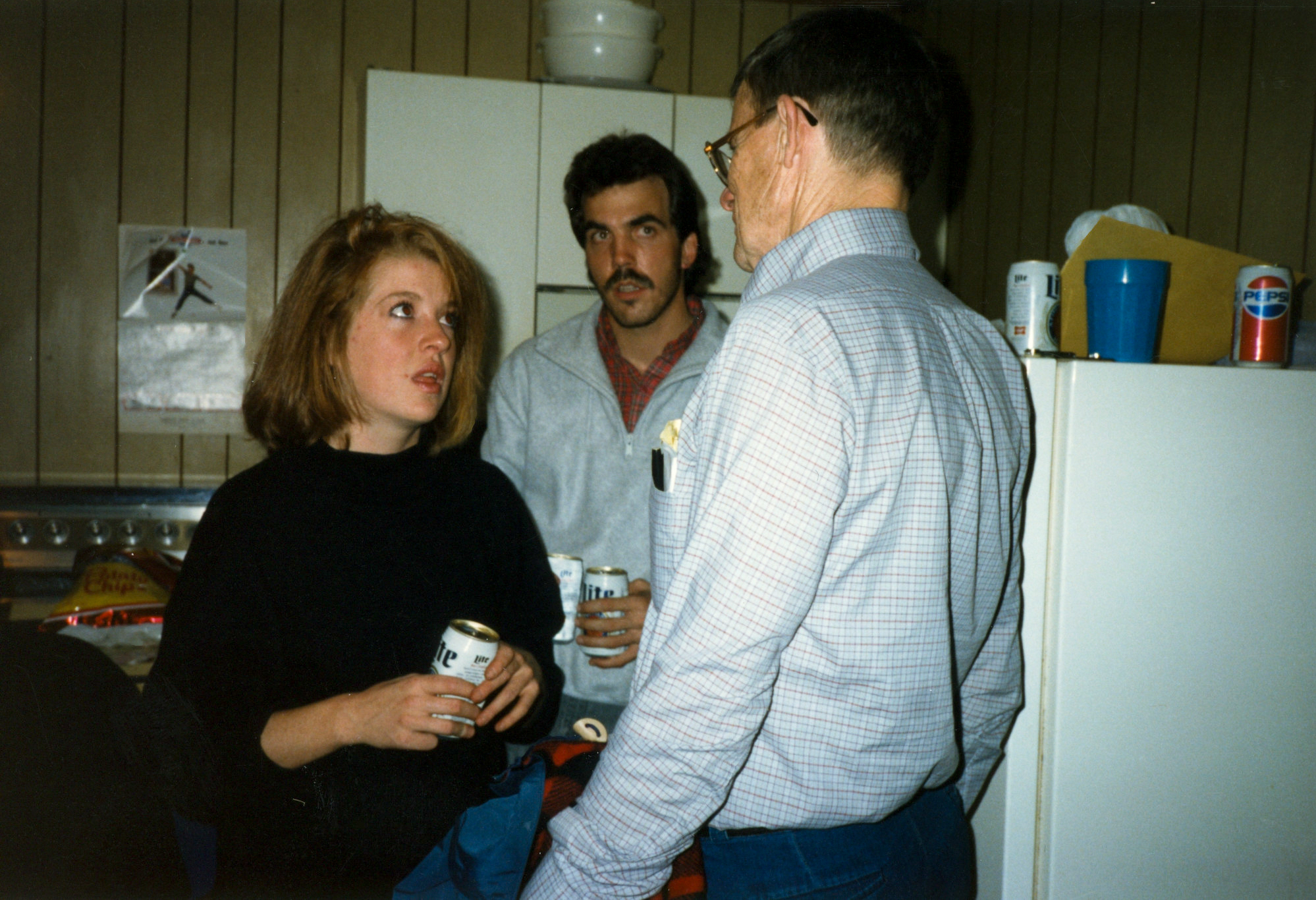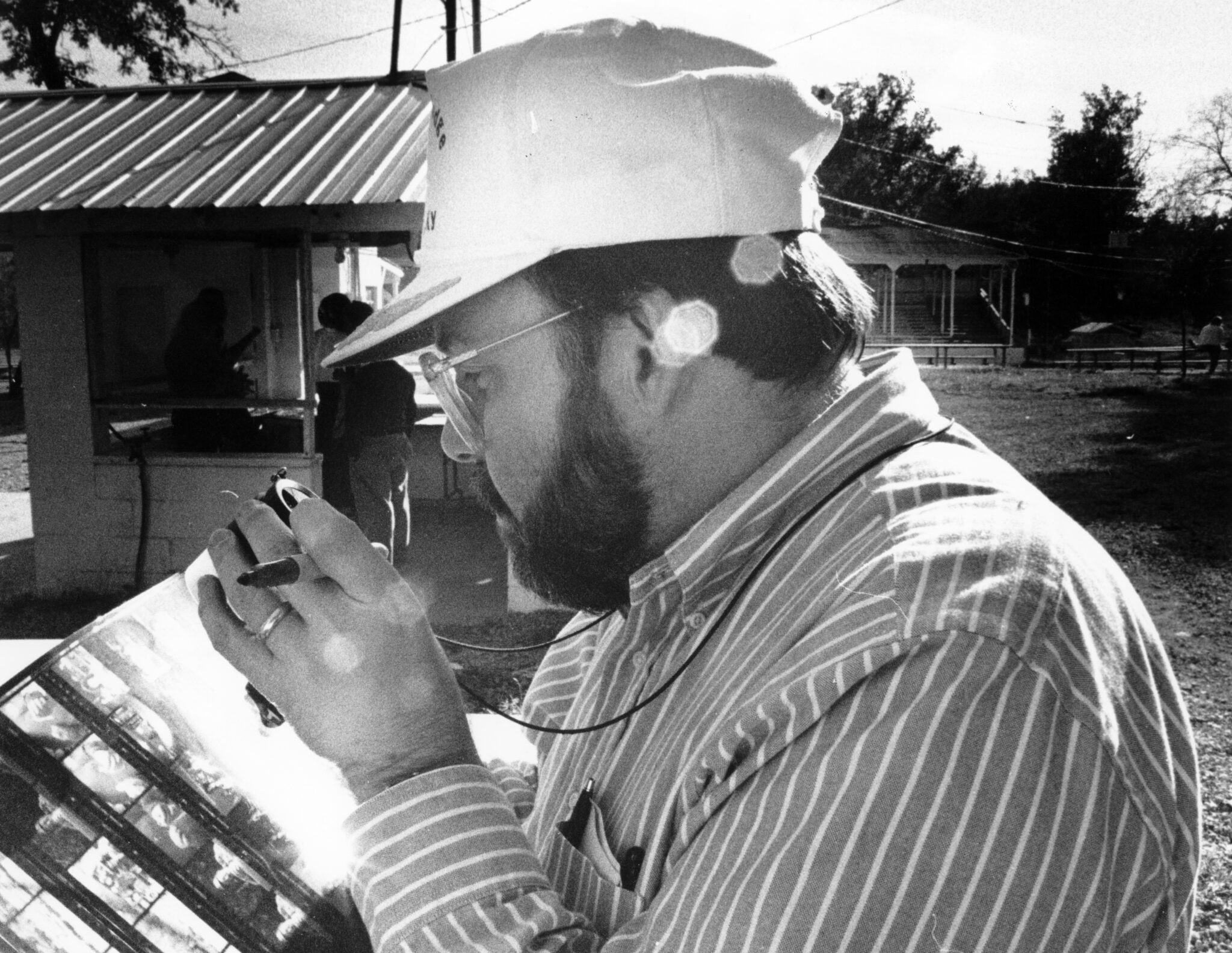
In reaching for assignments—scrawled names and addresses on strips of yellow legal pad, drawn bling from a hat—students at the Mountain Peoples Workshop picked a path for the next three days.
Many assignments would fall through. Single images or “features” photos would come from others. A few leads would yield photo stories – the soul and substance of a documentary on rural life.
Also, friendships would be formed, and lessons learned.
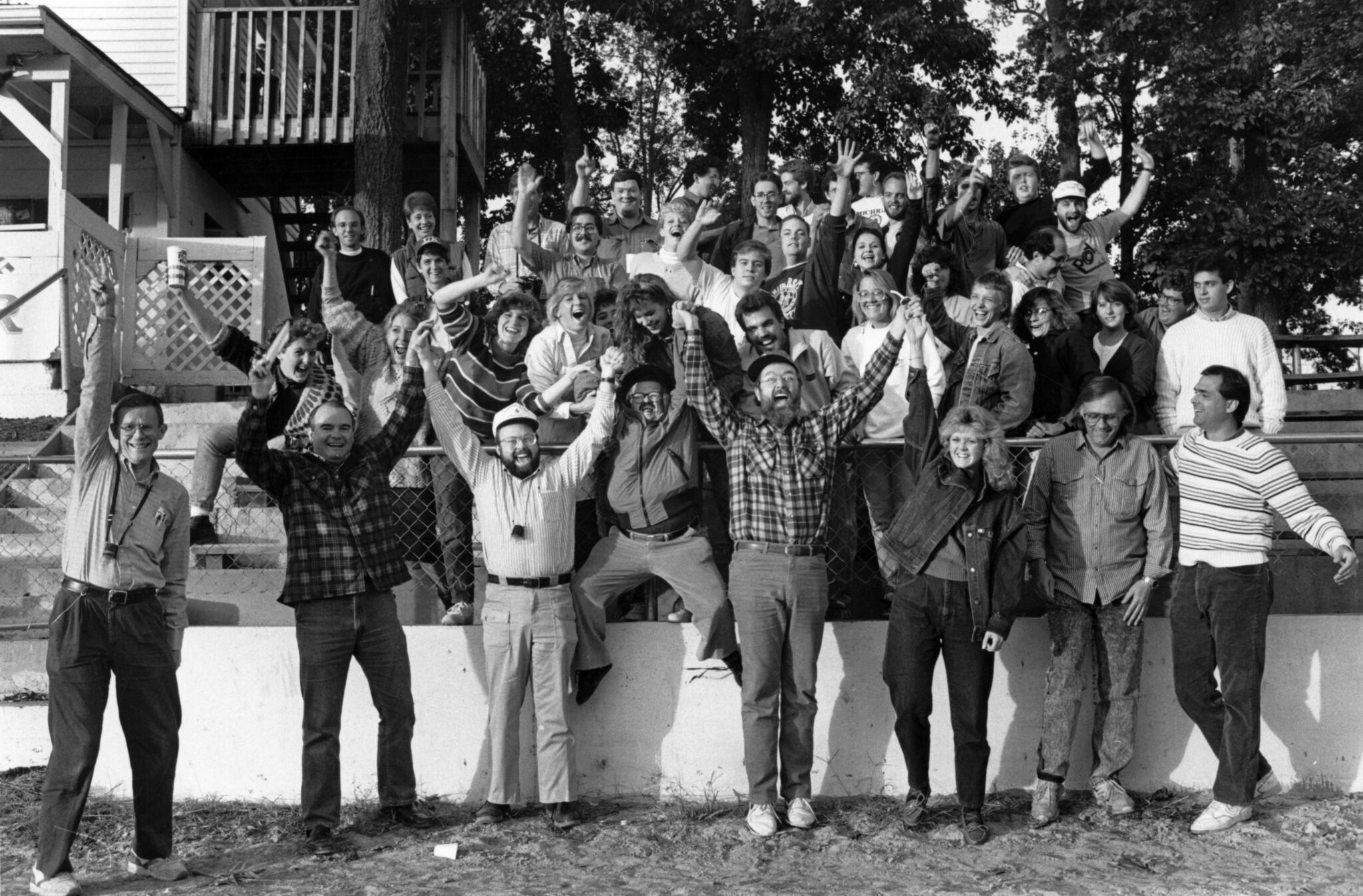
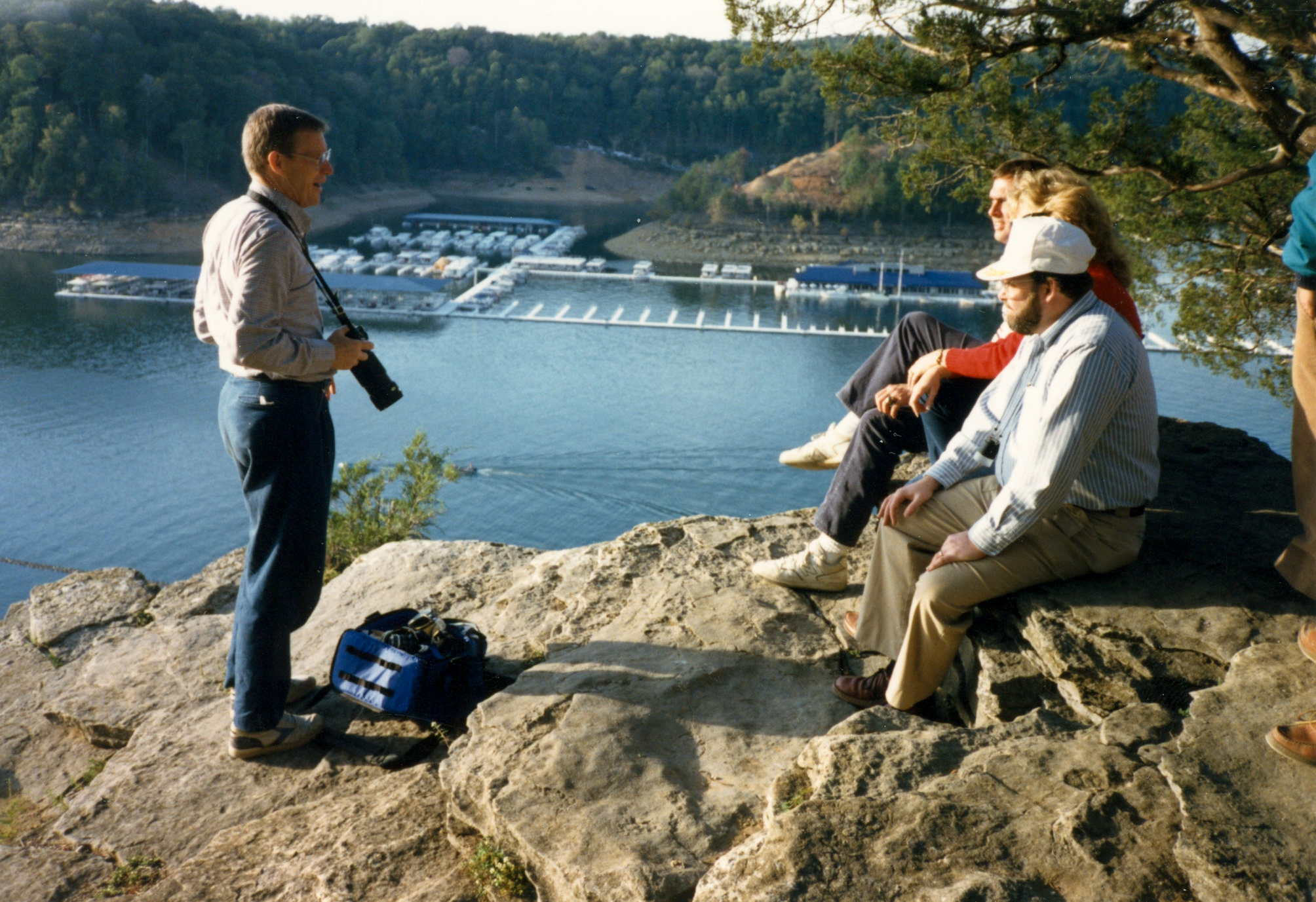
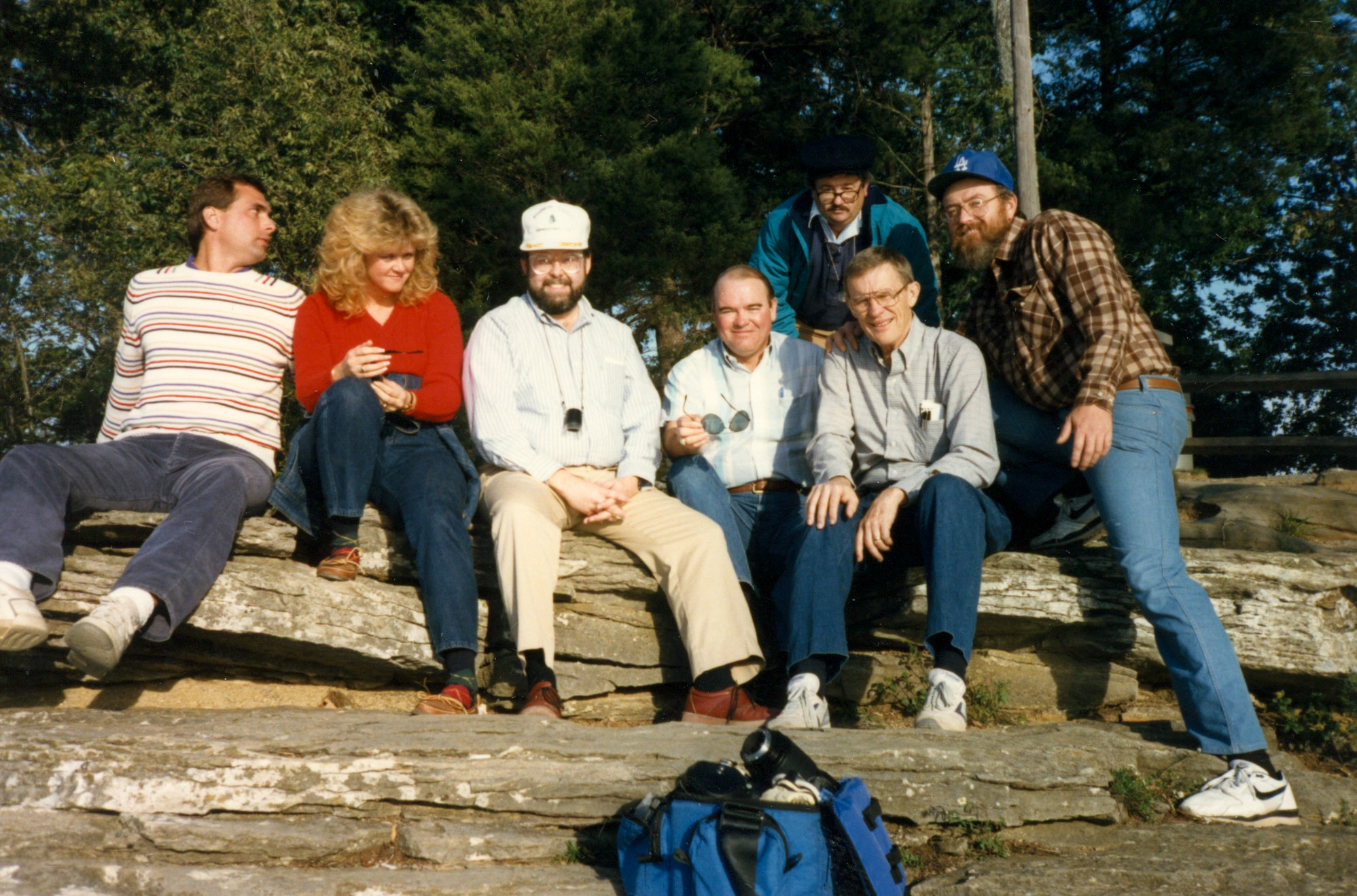
The 30 shooters were limited to three days, ten rolls of film of film apiece and their own talents. To augment the students’ sometimes sketchy skills, seven professional photographers donated time and experience to guide and occasionally goad their charges.
“Last night, my stomach was turning. I knew I was up for three days of abuse,” Kent State senior Lisa Dutton said on the second day of the workshop – after her photo story begun to flesh out.
“The closer I got,” she said, “the worse my particular assignment had looked.”
The pros made it clear that excuses were unacceptable.
When a student left his assignment early, Larry Nighswander, illustration editor of the National Geographic World Magazine, asked that student why he wasn’t still on the job.
“He said, ‘They’re having a revival, and I didn’t think I should intrude,’” Nighswander said. “I think you need religion.”
Fear, the professionals said, was the students biggest obstacle.
“Many of the students here are coping out,” said Bill Luster, staff photographer at The (Louisville) Career Journal.
Students were saying, “Hey, that’s a hurdle, and I don’t want to confront that hurdle right now,” Luster said.
“Most of these people are just petrified of photographing people,” he said. “Country folks especially love to be photographed. But you have to be gentle with them.”
Having empathy, not sympathy, for subjects is the secret to making pictures look real, said Jack Corn, director of photography for the Chicago Tribune.
“You can look thru the camera, and you can see the images,” Corn said. “These are warm, friendly people.”
The age barrier between the photographers and the townsfolk daunted some students, Corn said. But “All people are the same everywhere. All they (the photographers) have to do is be themselves.”
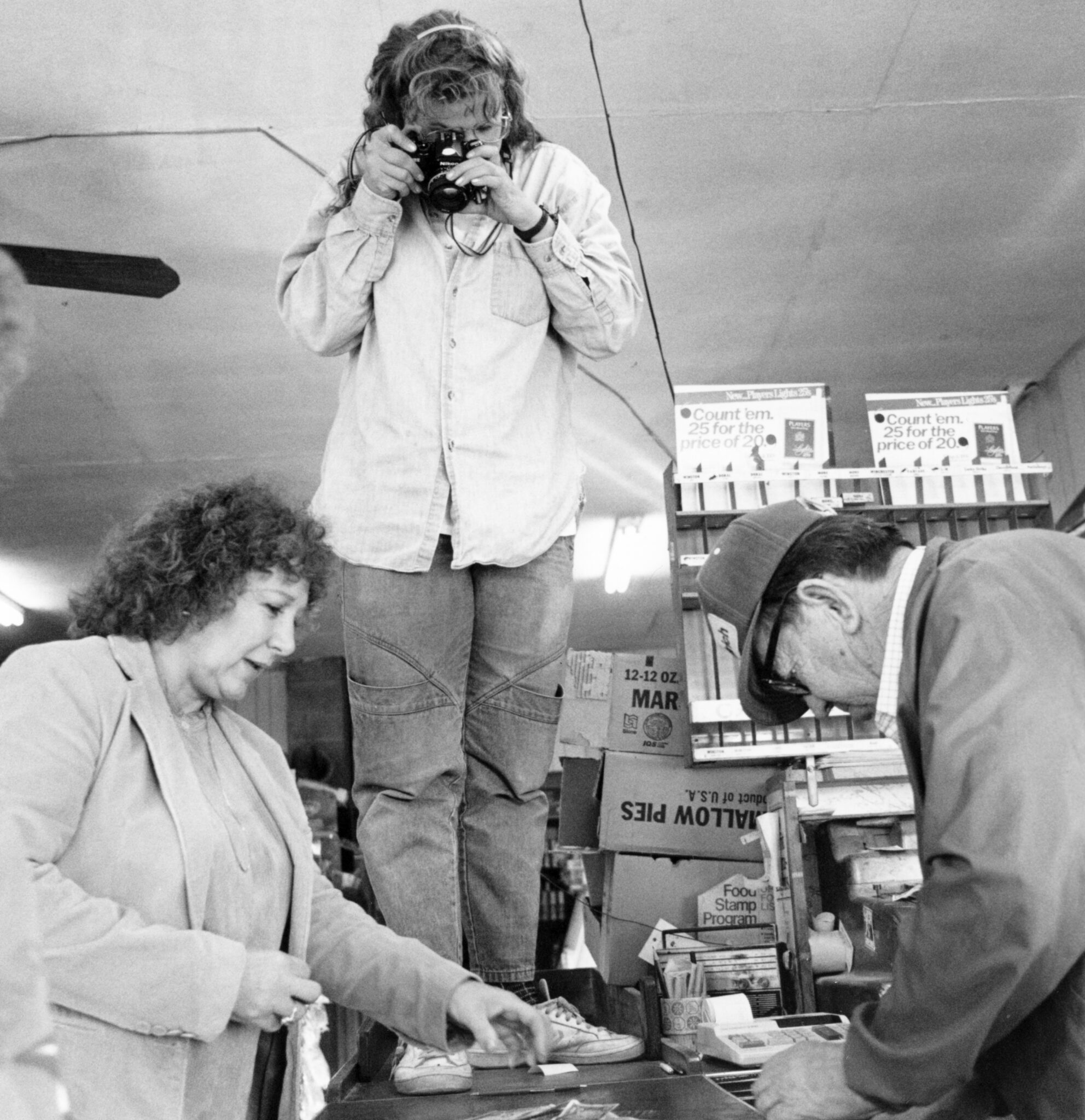
Capturing the flavor of a quiet country store was difficult at first for Laura Husar, senior at the University of Kansas as Lawrence. But before the assignment was over, the storekeeper called Husar his adopted daughter.
During a country breakfast at Alfred Miller’s home, Husar had her first taste of homemade molasses mixed with butter on fresh biscuits, flavored with the empathy Corn lectured her on.
“If I talk like I’m from Chicago, they can’t talk to me,” Husar said. “But if I talk in this cute Kentucky slang, they talk to me. It’s cool”
“This is their life, and they love it so much, and they want to show it to a big city girl.”
And for any of Russell County’s residents, this was a shared feeling. Even in the calm of Miller’s grocery, among the stolid patrons, the stare of the wide-angle lens and whirr of a motor drive set off a few ripples.
“I believe a lot of ‘em liked it,” Miller said. Several of ‘em came in here and wanted to know where the picture-takin’ woman was at.”
The easy communication between students and residents of the lake-front area may reflect the quiet ease of a similar lifestyle.
Russel County “has just about everything you could want,” said Jamestown resident Osborne Roy. “I like the country spirit.”
“I’m real proud they could do this.”