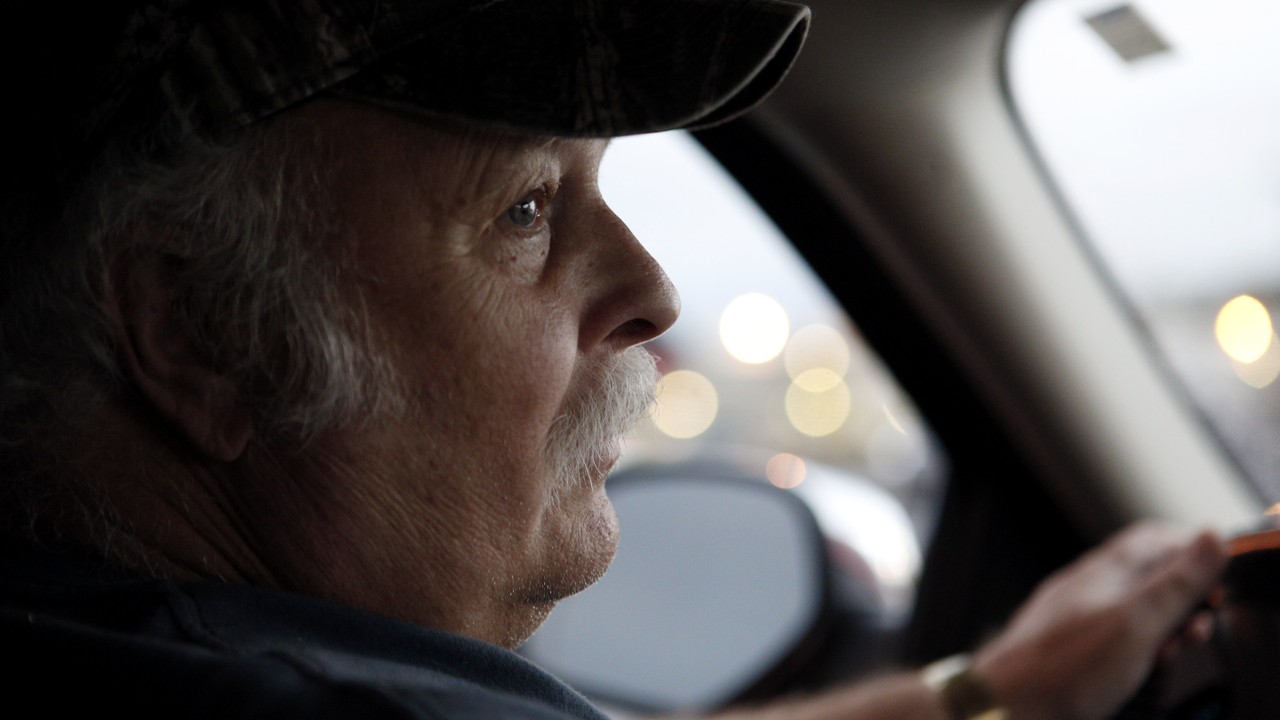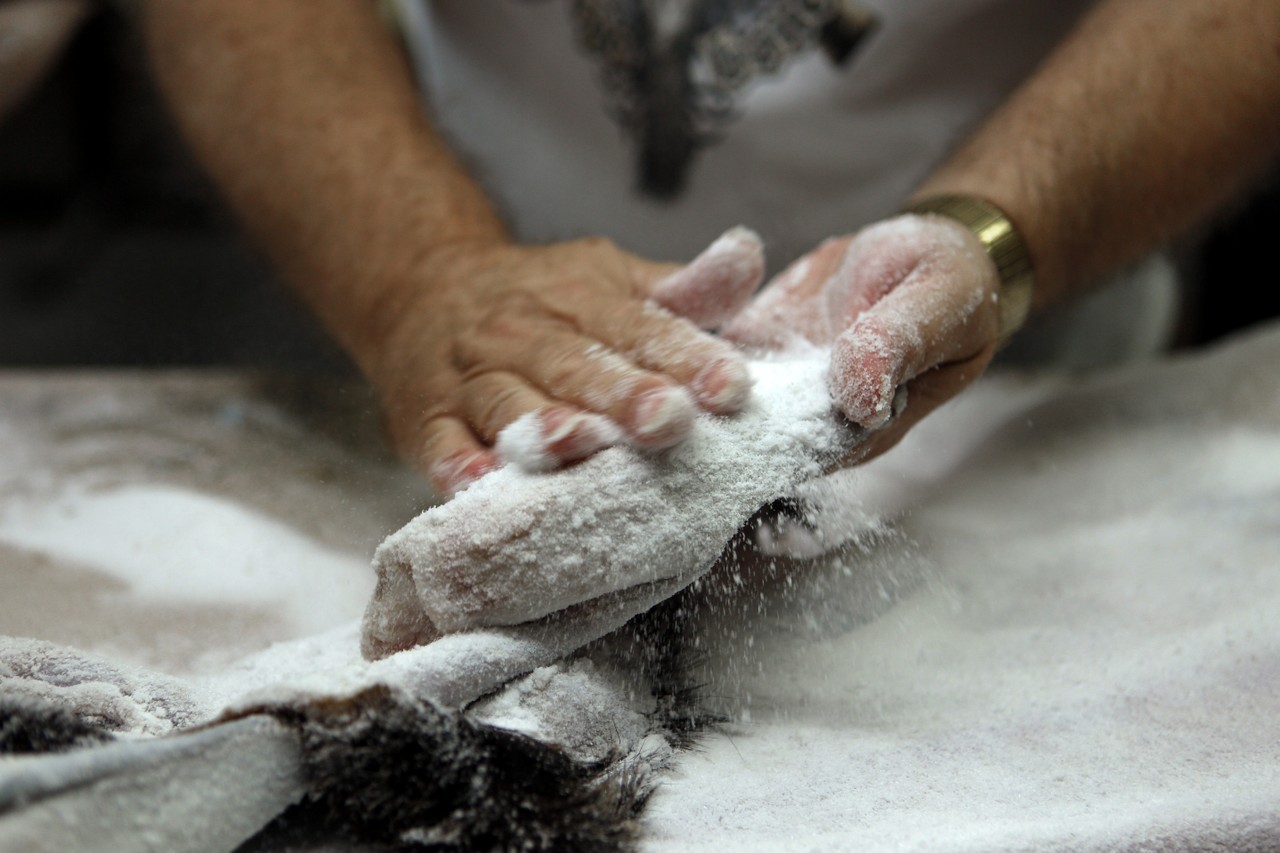
The preservation of animals has become Howard Hicks's life work. "One of these days they probably won't be here," he says, "and then the only thing you got left is what we've done."
To Howard, taxidermy is an art and a science.
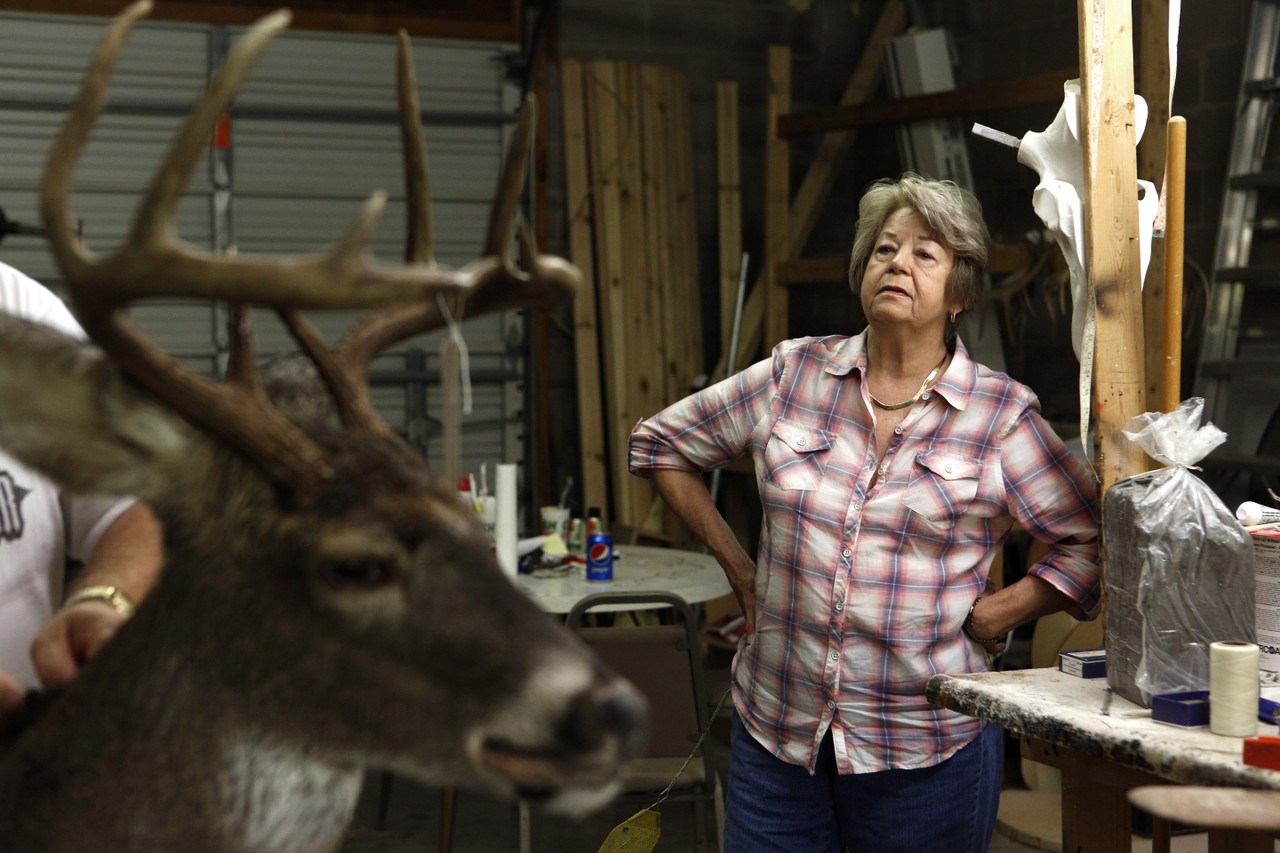
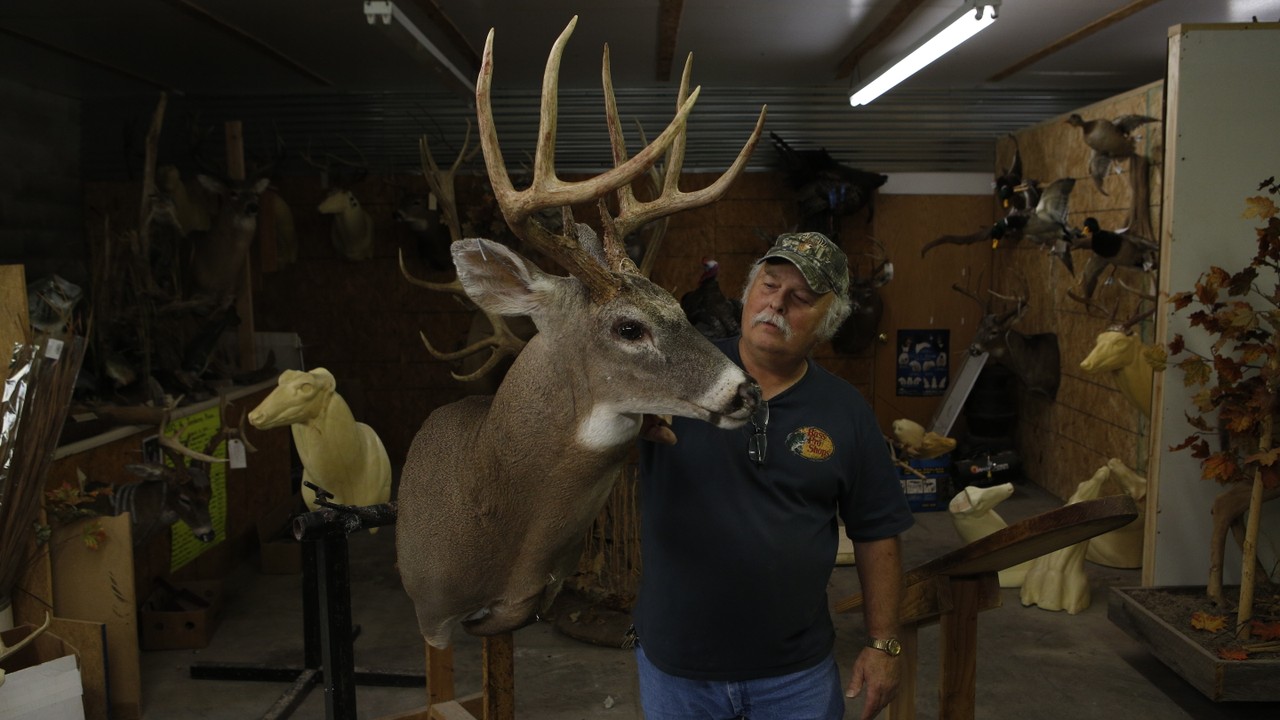
Inside Howard's Bait and Taxidermy, an unassuming building set far back from the road, deer, bobcat and fowl stare from every direction. Howard has been practicing for 39 years and is self-taught. He has had to learn about working with a variety of chemicals and the anatomies of different animals.
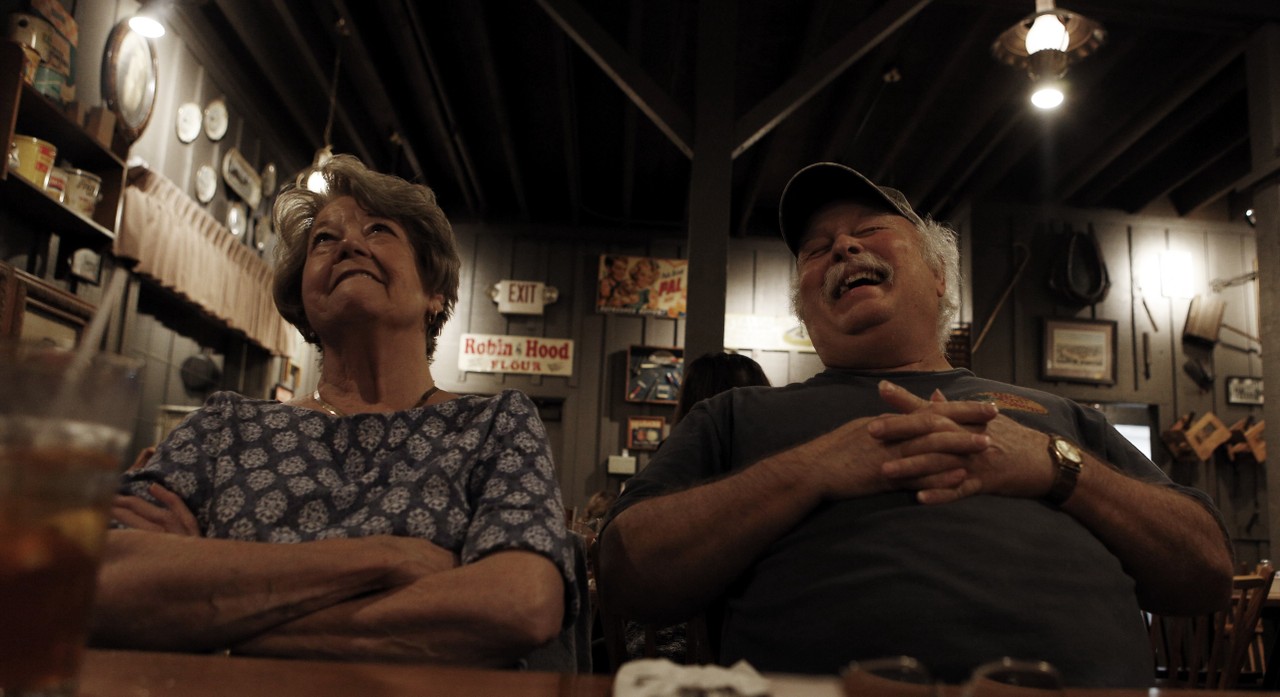
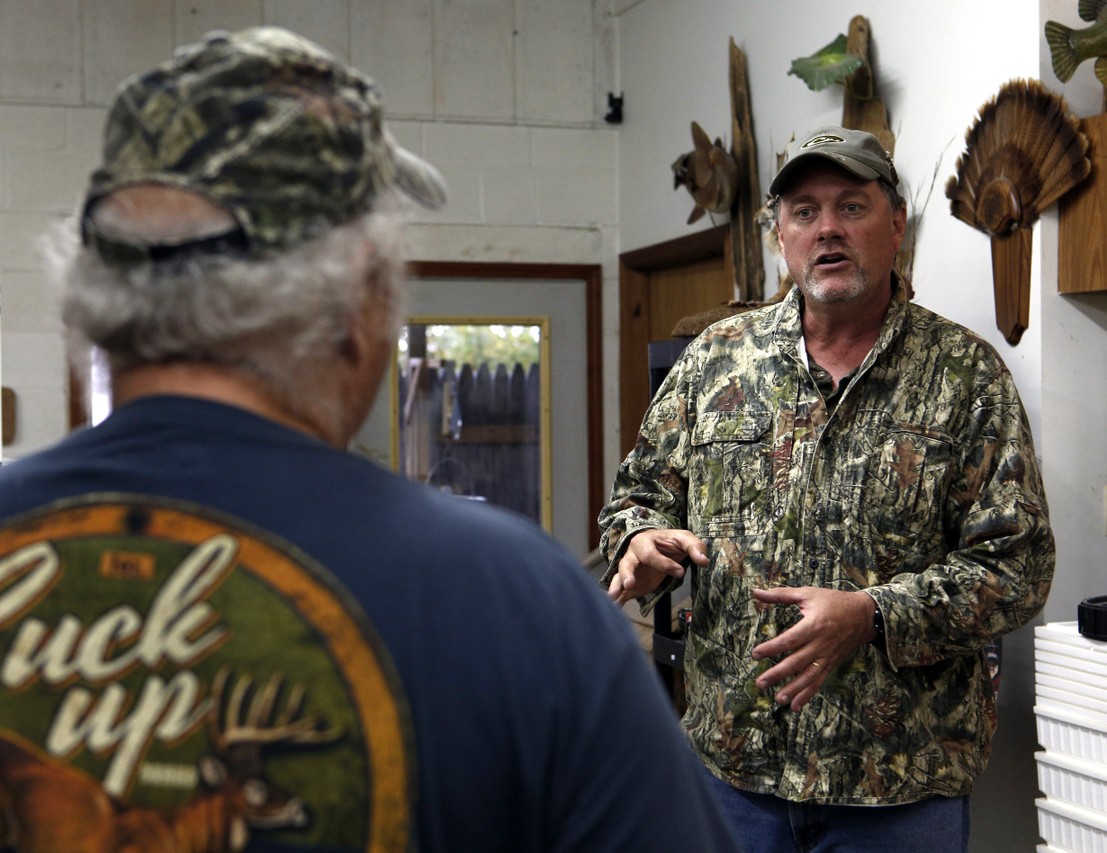
Growing up in a culture of hunting and fishing led Howard to a deep-rooted respect for the sport. "Unless you've been hunting, you just don't understand what it's all about," Howard explains. "A lot of it's about the camaraderie, the respect for wildlife."
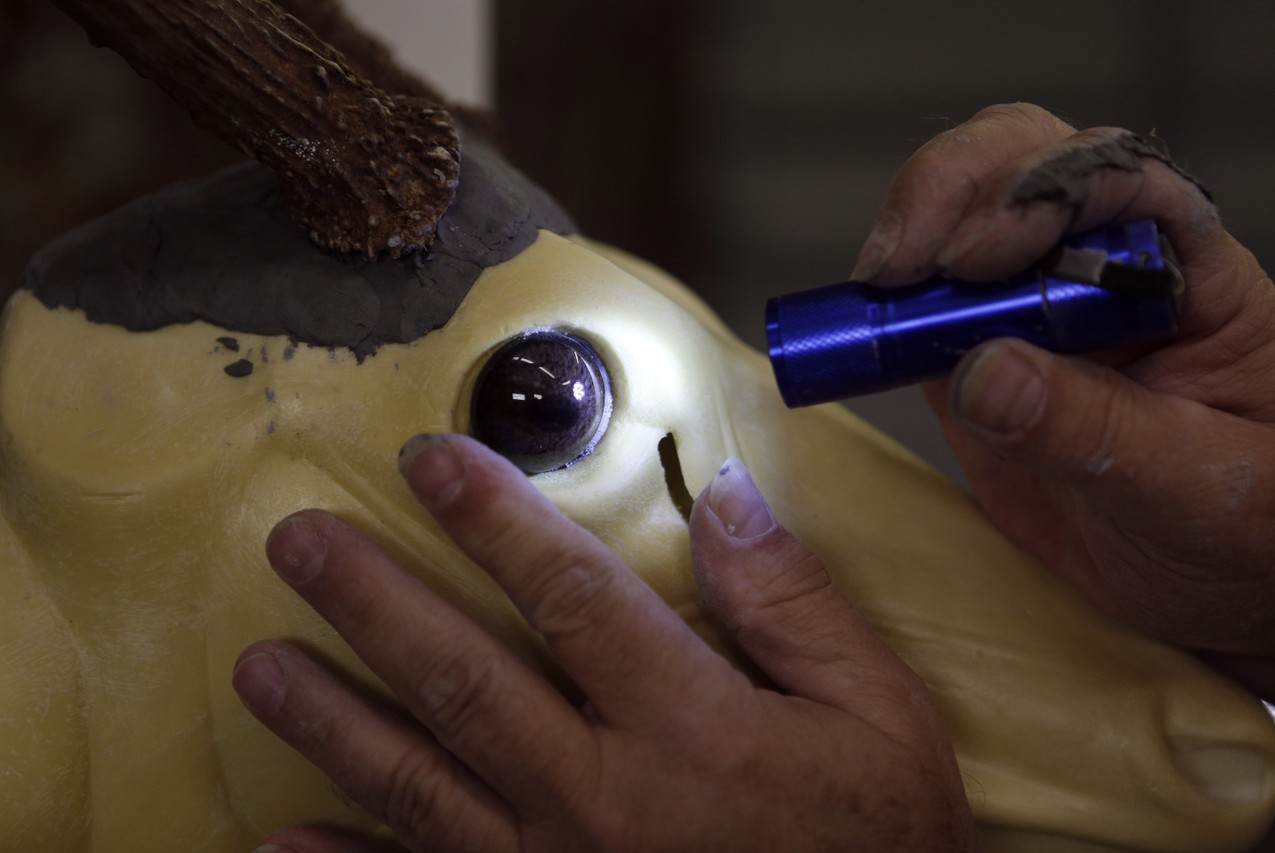
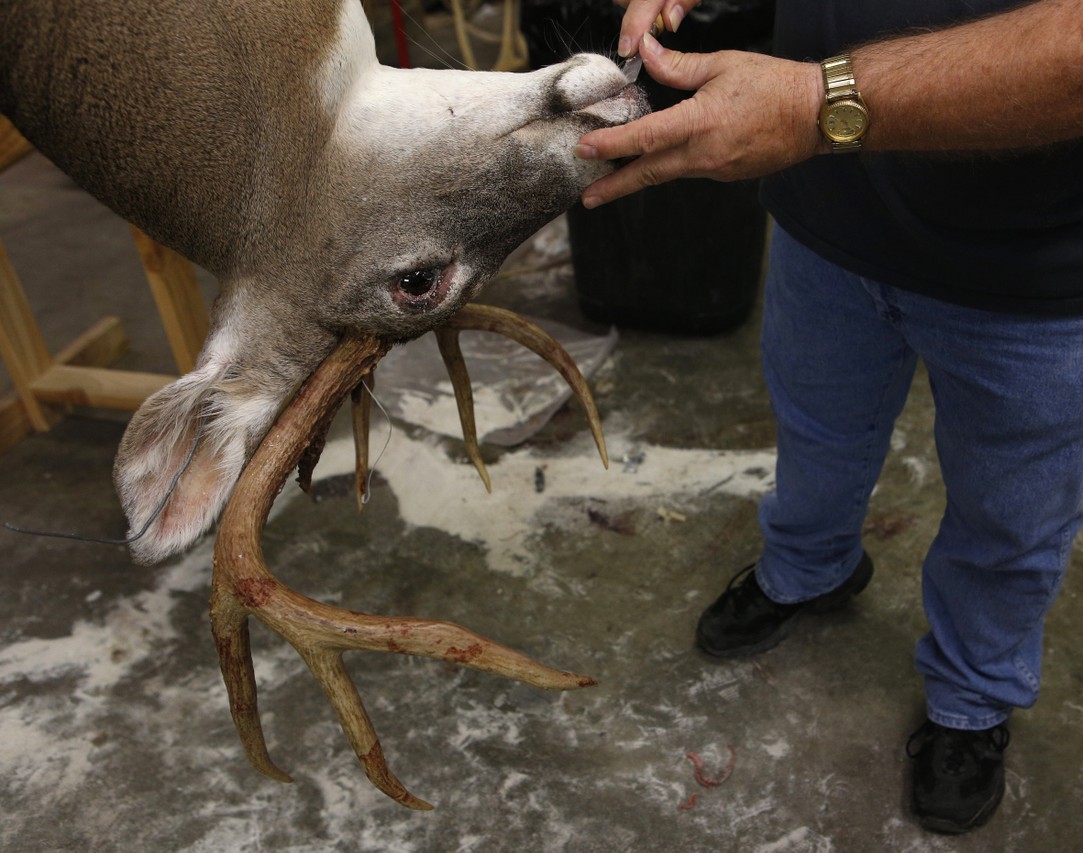
This appreciation for animals manifests itself in the attention to detail he puts into his work. The process varies from animal to animal but always involves tedious hours. From washing to preserving to airbrushing to stitching, Howard takes the time to make everything perfect. "I want to make them look like they did before, if not better," he says.
Howard mounts an average of 50 to 60 deer during gun season, which runs about two weeks each November.
Though he's proud of his work, Howard says he's still learning. "I don’t care how much schooling you had or whoever showed you whatever, you still learn every time," he says.