Guillermo Uribe rides his tractor like a prince surveying his manor.
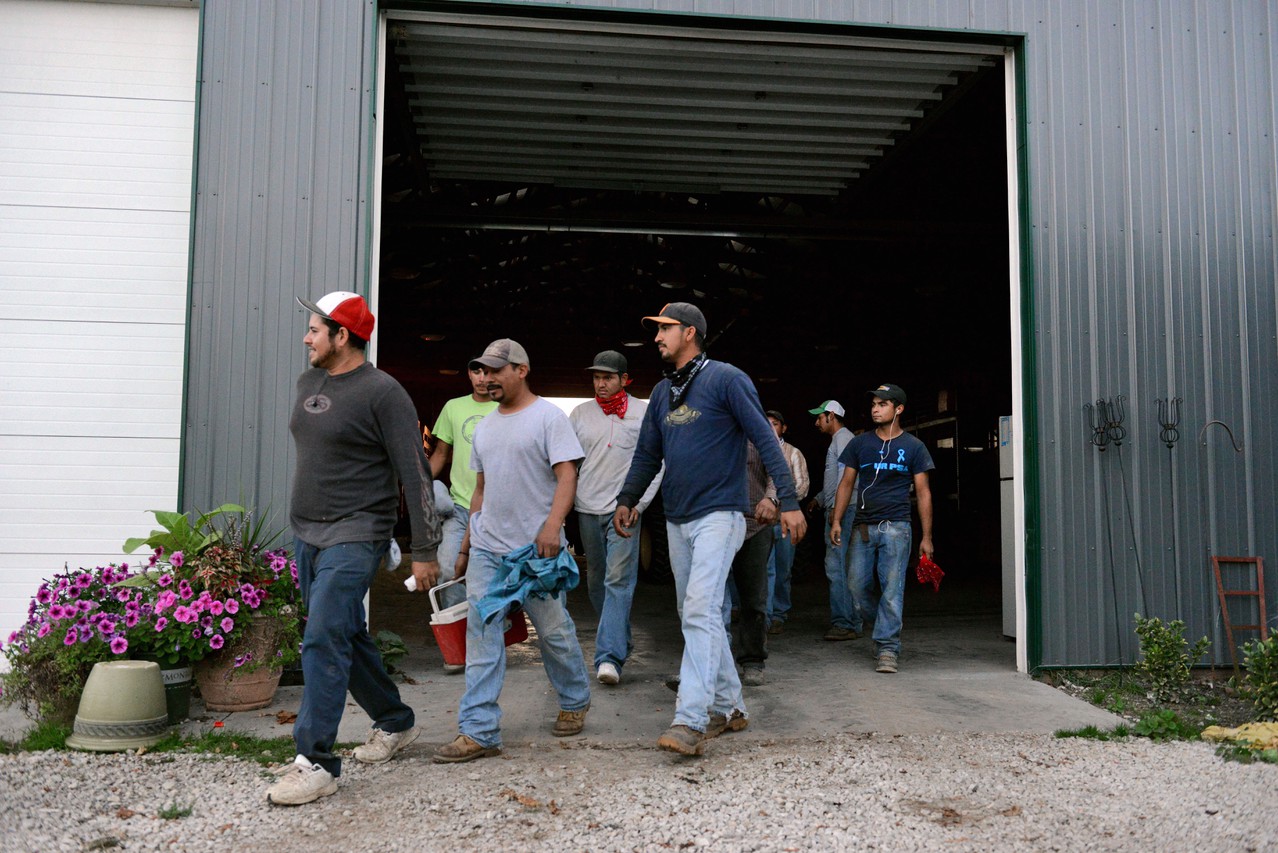
Dressed in torn jeans, soiled by the earth and covered in skin bronzed by the sun, he oversees 20 men who never question his direction — men commanded with a noble benevolence.
And Cecil Farms prospers under Uribe’s watchful care.
Uribe can barely read and write in his native Spanish, yet, he learned to speak English through work at the farm.
During rare moments when he breaks from work to appreciate the beauty of bluegrass-covered, rich Kentucky farmland, Uribe breathes deep and his eyes swell with tears.
Every drop of his lifeblood connects to the prosperity of this soil — its hearty tobacco, its summer watermelons, its wheat and corn.
Yet, no one knows better than Uribe that he is no feudal prince. His rule rises and falls with each season.
As a Mexican farmhand with a H-2A temporary worker visa, Uribe, 37, comes to Owensboro from March through mid-December. He labors up to 10 hours a day for $9.72 per hour. At season’s end, Uribe returns home to relative obscurity in Nayarit State, Mexico.
His beloved wife, Oneida, and his three young daughters await him.
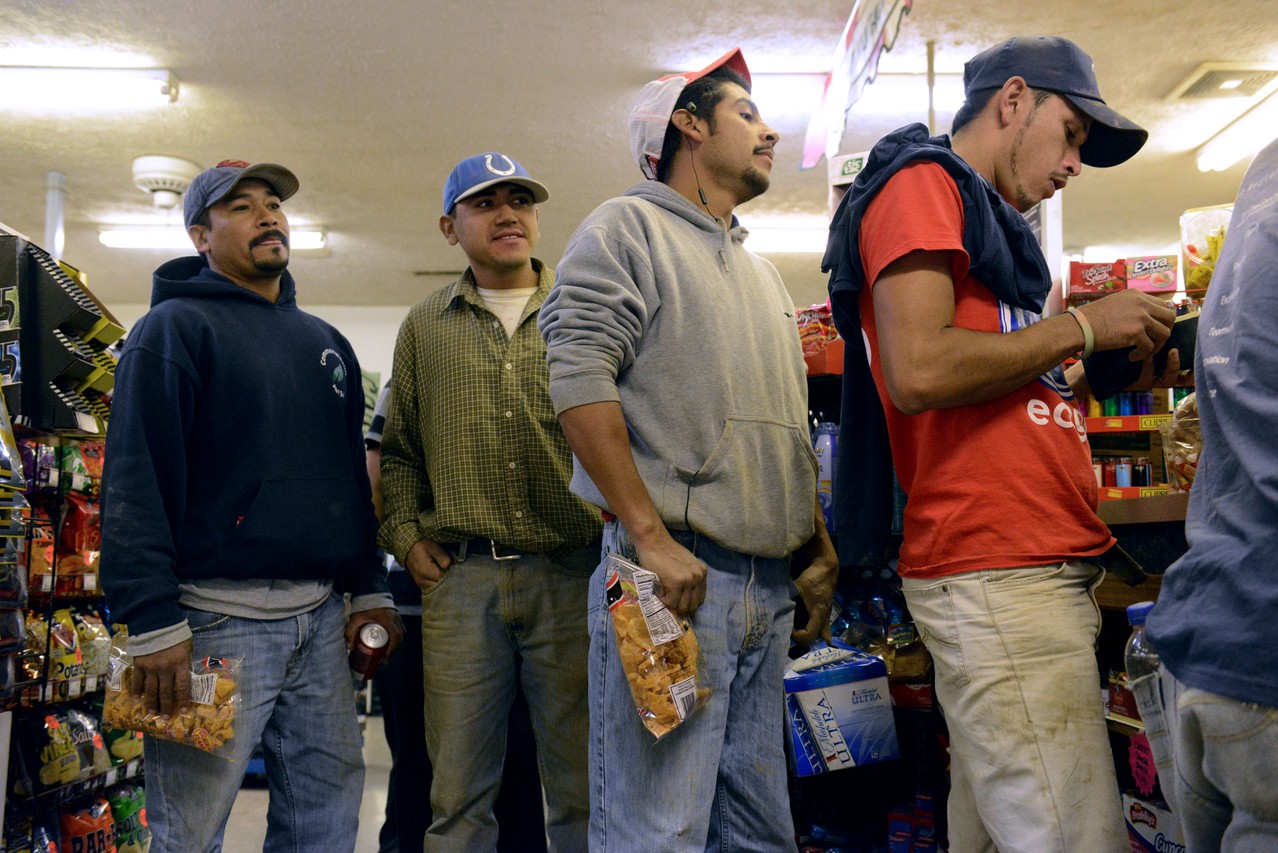
Uribe started working in Owensboro at a youthful 21. The same visa program provides Gary Cecil, owner of Cecil Farms, the ability to deal with a shortage of domestic labor. Cecil invites Uribe and other Mexican workers to the farm — most Uribe’s relatives or good friends. They are among some 30,000 temporary agriculture workers in the U.S. For Uribe’s minions, Cecil Farms provides a windfall. They pay for that with sticking to Uribe’s rules.
“People talk about immigration, but these men do work that the white people won’t do,” Cecil said.
Uribe’s and Cecil’s working relationship goes beyond the H-2A program.
Cecil and his wife, Imelda, have made three trips to Uribe’s home in Mexico.
“He makes a significant contribution to the farm,” Cecil says.
Uribe’s first trip from Nayarit to Owensboro involved waiting five days for the Mexican Counsel to process papers, running out of money, sleeping on public benches, and relying on the generosity of a local Mexican storeowner for food.
No more.
Now it takes three-day bus trip to Kentucky and a well-deserved flight home for Christmas.
But for all Uribe’s passion for his temporary fiefdom in Kentucky, he remains most thankful for being a husband and father. He wires money to his wife every week, the two speak every night, sometimes for long as 90 minutes.
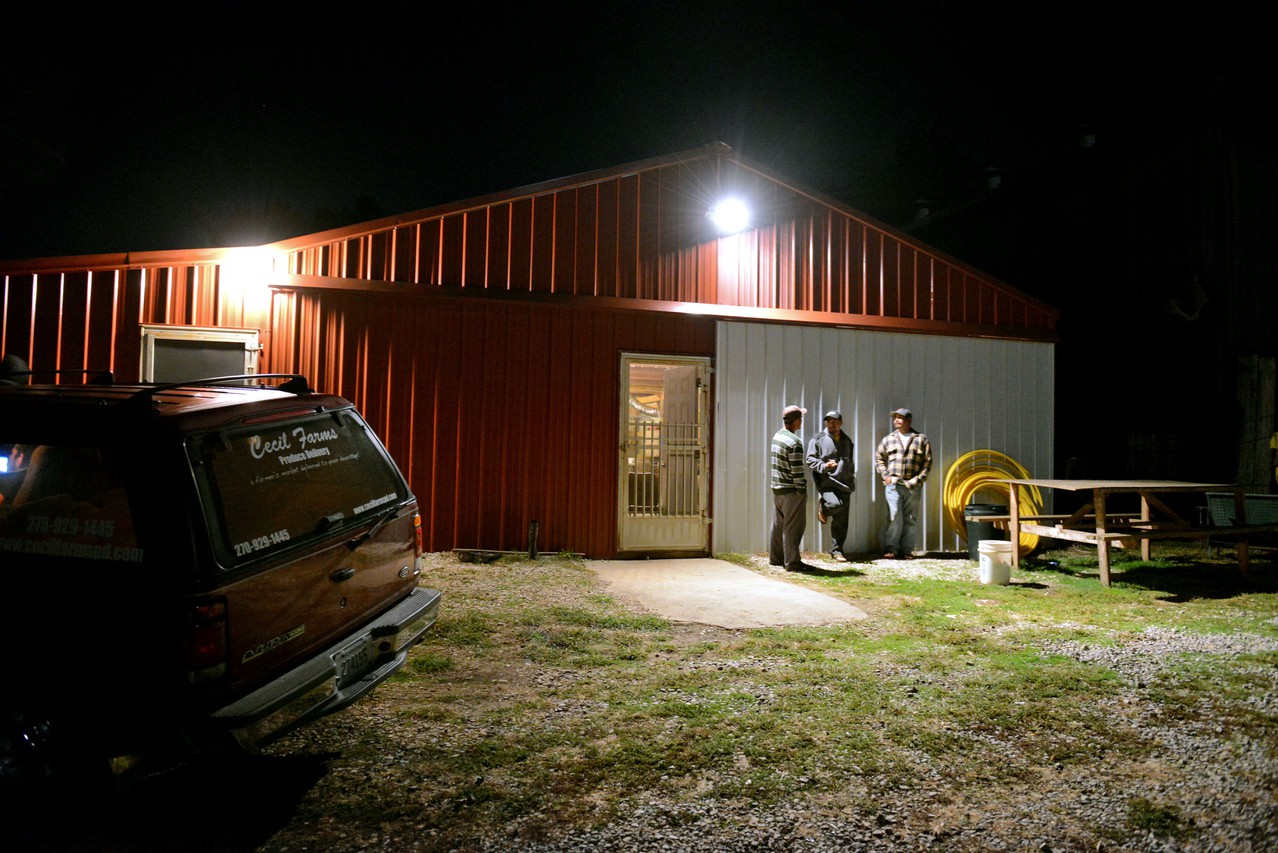
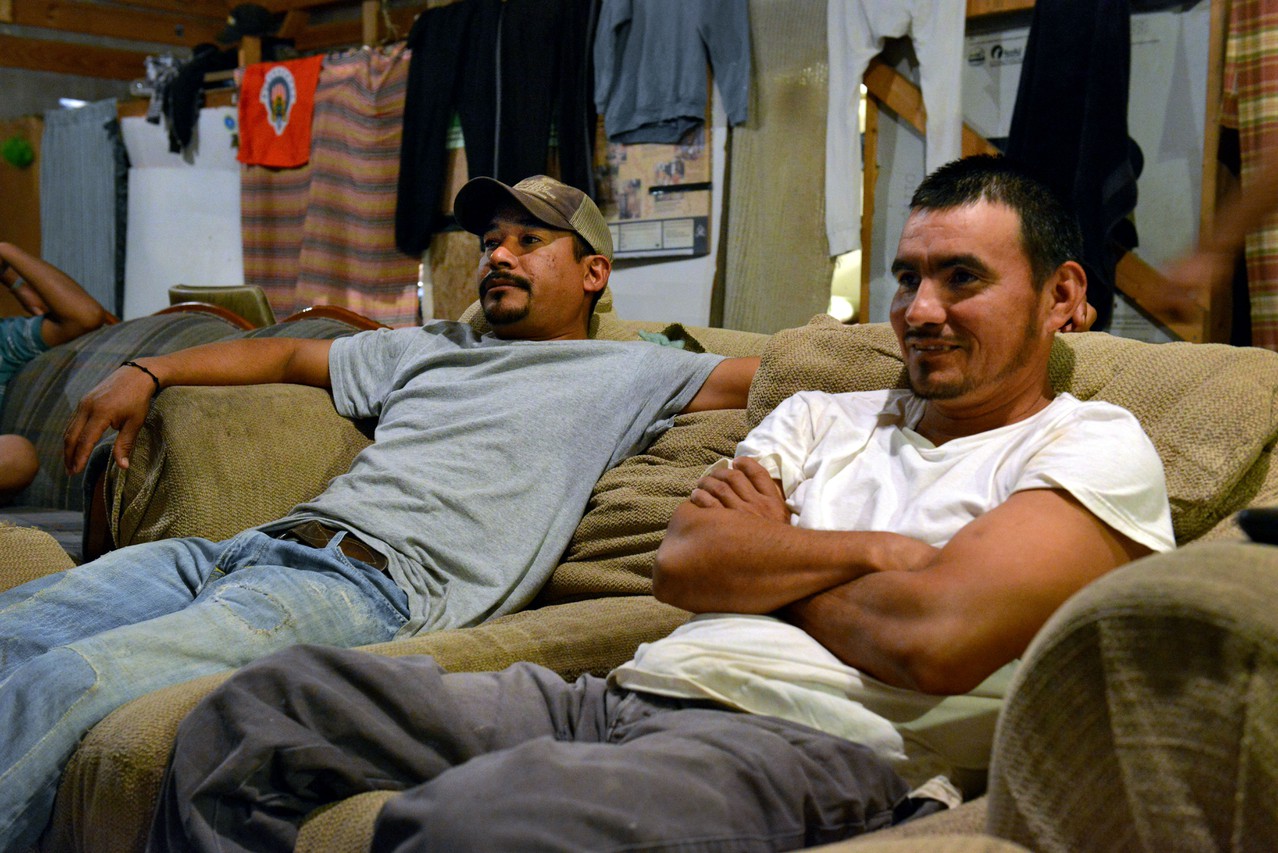
In Uribe’s tight quarters in the Cecil Farms bunkhouse, a small, stuffed rocking horse awaits delivery to his daughter, Hadee, 2, when he returns home in December.